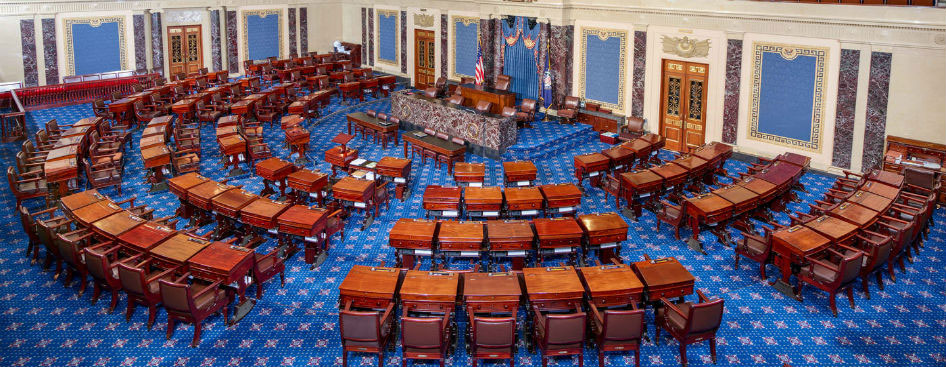
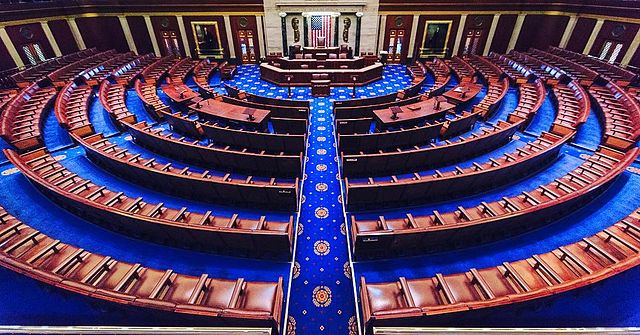
The House of Representatives

The United States government has three branches, or parts. Congress is the part that makes laws.

Congress makes laws for all of the United States. They can write laws about many things, like health care, unemployment benefits, transportation, the military, taxes, and more.

Citizens in every state choose members of congress. We vote for them, and they represent us in Washington DC. If you are not happy with something, you can call your representative and tell them. This is all part of democracy.

Who makes federal laws? –> Congress

Congress has two parts. The House of Representatives has many members. The Senate has fewer members. They have to work together to make new laws, but it is not easy.

What are the two parts of the U.S. Congress?* –> The House and the Senate

The House of Representatives is kind of a wild place. We elect US Representatives every 2 years. That means every 2 years, the House can change a lot.

We elect a U.S. Representative for how many years? –> 2

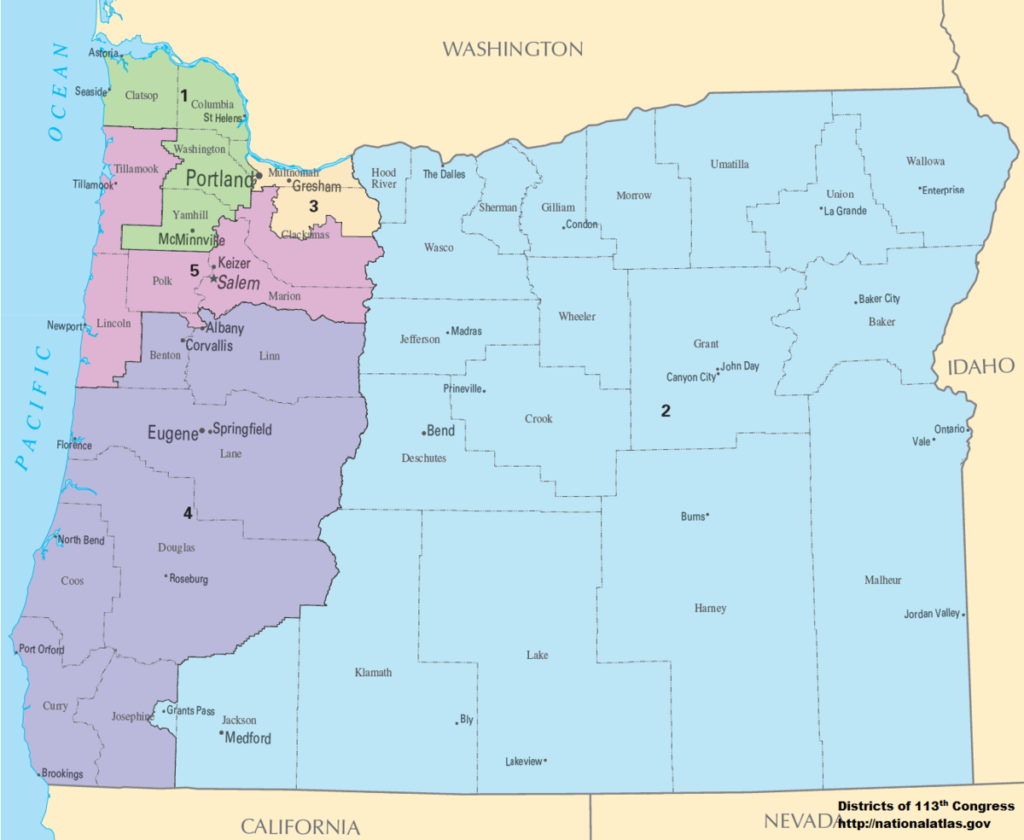
Every state sends Representatives to Washington DC, but some states send more. For example, Oregon has 5 Representatives. Washington has 10 Representatives. California has 52 Representatives.

Why? Washington has more people than Oregon. And California has the most people in the United States.

Why do some states have more Representatives than other states? –> because of the state’s population

The House of Representatives has 435 voting members. How can we remember that?

The House of Representatives has how many voting members? –> 435

Official portrait of Speaker of the House Nancy Pelosi, photographed January 11, 2019 in the Office of the Speaker in the United States Capitol.

Who is the leader of a class?

Who is the leader of a plane?

Who is the leader of a business?

In the House of Representatives, the leader is called “Speaker of the House.” They choose who can speak, and they lead the meeting.

Right now (Fall 2020), Nancy Pelosi is the Speaker of the House.

What is the name of the Speaker of the House of Representatives now? –> Nancy Pelosi

Review!

  1. Who makes federal laws?
  2. What are the two parts of the U.S. Congress?*
  3. We elect a U.S. Representative for how many years?
  4. Why do some states have more Representatives than other states?
  5. The House of Representatives has how many voting members?
  6. What is the name of the Speaker of the House of Representatives now?

Week 4 – Thursday

Civics and Reading

The United States is a democracy. Citizens choose leaders by voting in elections.

Voting is a special right that is only for United States citizens. When you become a citizen, you should register to vote!

Name one right only for United States citizens. –> Vote in a federal election

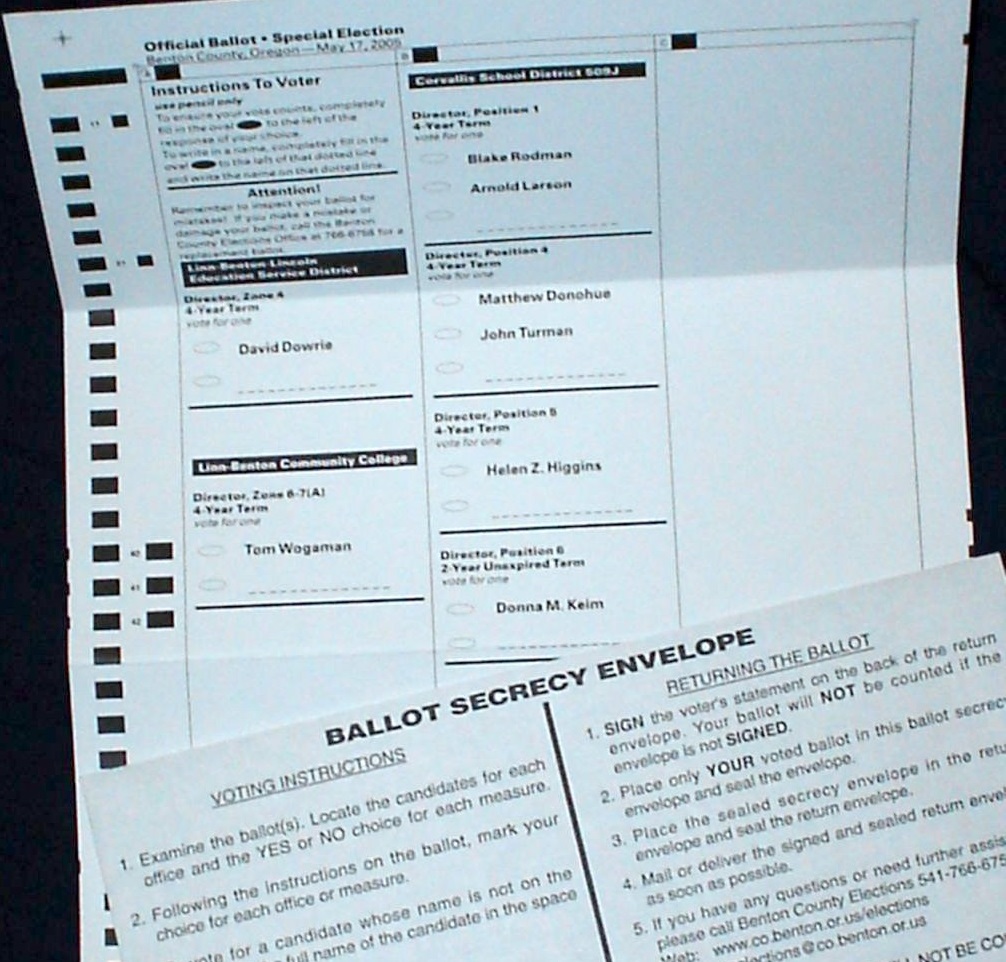
Voting is also a responsibility. Only you can make a decision about your vote. No one can do it for you.

And if you don’t send your vote, it will not get done.

If you know someone who is voting and has questions, you can find a lot of help from the County Elections Office. In Multnomah County, you can even get help with translation.

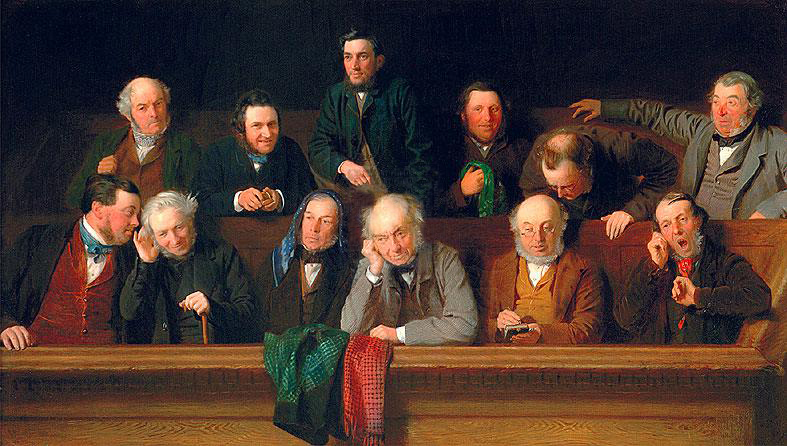
Another responsibility is to serve on a jury. In the US, a jury is a group of citizens who make a decision in court. A jury may make a decision about a crime and if someone is guilty or not.

A jury may also work with a judge in a case about other kinds of law, too. If you are a citizen, it is your responsibility to serve on a jury.

What is one responsibility that is only for United States citizens?* –> Vote in a federal election / serve on a jury

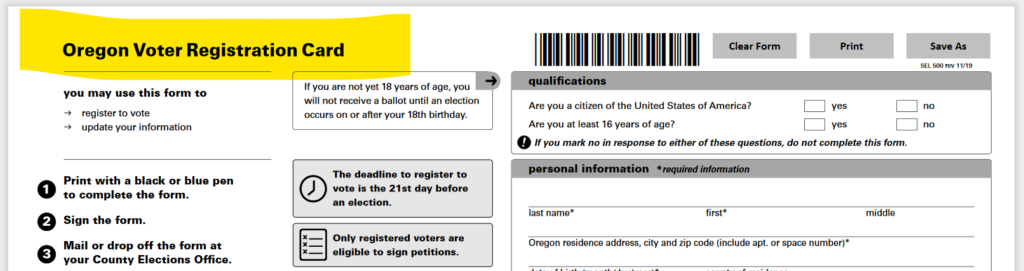
Citizens have to be 18 to vote for president. In Oregon, citizens can register to vote when they are 16, and they automatically register when they get a drivers license. But, they have to wait to be 18 to really vote.

How old do citizens have to be to vote for President?* –> 18 and older

A ballot drop box in Portland, Oregon

An amendment is a change to the Constitution. When the Constitution was written in 1787, only men with property could vote. Since then, Americans changed the Constitution 4 times:

  • Men of all races can vote
  • Voting must be free (no voting taxes)
  • Women can vote (any citizen can vote)
  • Citizens 18 and older can vote

There are four amendments to the Constitution about who can vote. Describe one of them. –> Citizens 18 and older can vote / Any citizen can vote

When you register to vote, you can choose a political party. It is free to join a political party. It is your right to join any political party, or none.

But, you should join a political party so you can vote in a primary election.

What are the two major political parties in the United States?* –> Democratic and Republican

  1. What is the “rule of law”?
  2. How many amendments does the Constitution have?
  3. What is an amendment?
  4. What do we call the first ten amendments to the Constitution?
  5. What is one right or freedom from the First Amendment?*
  6. What is freedom of religion?
  7. What are two rights of everyone living in the United States?
  8. Name one right only for United States citizens.
  9. What is one responsibility that is only for United States citizens?*
  10. How old do citizens have to be to vote for President?*
  11. There are four amendments to the Constitution about who can vote. Describe one of them.
  12. What are the two major political parties in the United States?*

N-400 Vocabulary Practice

N-400 Part 12: Questions 6-10

  • Do you owe any overdue Federal, state, or local taxes?
  • Have you EVER not filed a Federal, state, or local tax return since you became a lawful permanent resident?
  • Have you called yourself a “non-U.S. resident” on a Federal, state, or local tax return since you became a lawful permanent resident?
  • Have you EVER been a member of any organization?
  • Have you EVER been a member of, or in any way associated with The Communist Party?
  • Have you EVER been a member of, or in any way associated with any other totalitarian party?
  • Have you EVER been a member of, or in any way associated with a terrorist organization?

Do you owe any overdue Federal, state, or local taxes?

  • ¿Se debe ningún atraso federales, estatales o locales?
  • هل ندين أي تأخر الاتحادية، الدولة، أو الضرائب المحلية؟
  • သင်သည်မည်သည့်ရက်ကျော်နေပြီဖက်ဒရယ်, ပြည်နယ်သို့မဟုတ်ဒေသဆိုင်ရာအခွန်ကြွေးသလား?
  • 你欠任何逾期联邦,州或地方税?
  • هیچ به سر رسیده فدرال، ایالتی، و یا مالیات های محلی شما را مجبور؟
  • Datorezi orice restante federale, de stat, sau taxe locale?
  • آیا تاسو کوم ورځباندې د فدرالي، د بهرنیو چارو، او يا ځايي ماليه پوروړې دي؟
  • Обязаны ли вы какой-либо просроченные федеральные, государственные или местные налоги?
  • Ma lagugu leeyahay wax daahsan Federaalka, gobolka, ama cashuuraha degmada aad?
  • Bạn có nợ quá hạn bất kỳ liên bang, tiểu bang, hoặc thuế địa phương?
  • آپ کو کسی بھی اتدیئ وفاقی، ریاستی یا مقامی ٹیکس واجب الادا ہے؟

Have you EVER not filed a Federal, state, or local tax return since you became a lawful permanent resident?

  • ¿Alguna vez ha presentado una no federal, estatal o declaración de impuestos local desde que se hizo residente legal permanente?
  • هل EVER يقم بتسجيل الاتحادية، الدولة، أو الإقرار الضريبي المحلية منذ أن أصبحت مقيما بصفة قانونية؟
  • သင်တစ်ဦးအရာကိုပြုသင့်သည်အမြဲတမ်းနေထိုင်သူဖြစ်လာခဲ့သည်ကတည်းကသင်သည်အစဉ်အဖက်ဒရယ်, ပြည်နယ်သို့မဟုတ်ဒေသဆိုင်ရာအခွန်ပြန်လာတင်သွင်းပြီမဟုတ်လော
  • 你曾经不提起了联邦,州和地方税收返还,因为你成为合法永久居民?
  • آیا تا به حال فدرال، ایالتی، و یا بازگشت مالیات محلی ثبت نکرده از شما یک مقیم دائم قانونی شد؟
  • Vreodată nu ați depus un federal, de stat, sau returnarea taxelor locale de când ați devenit rezident permanent legal?
  • آیا تاسو کله هم د فدرالي، د بهرنیو چارو، او يا ځايي مالياتي اظهارليک نه درج راهیسې تاسو حلال دايمي اوسيدونکی شو؟
  • Вы когда-либо не подали федеральные, государственные или местную налоговую декларацию, так как вы стали законным постоянным жителем?
  • Waligaa ma gudbiyay a Federaalka, gobolka, ama canshuur celinta degaanka tan iyo aad u noqday deganaanshaha joogtada ah xalaal ahayn?
  • Có bao giờ bạn không nộp một liên bang, tiểu bang, hoặc tờ khai thuế địa phương kể từ khi bạn trở thành một thường trú nhân hợp pháp?
  • آپ کو ایک حلال مستقل رہائشی بننے کے بعد تم نے کبھی ایک وفاقی، ریاستی یا مقامی ٹیکس ریٹرن دائر نہیں کیا ہے؟

Have you called yourself a “non-U.S. resident” on a Federal, state, or local tax return since you became a lawful permanent resident?

  • ¿Ha llamado a sí mismo un “fuera de EE.UU.. Residente” en una, estatal o local de declaración de impuestos federal desde que se hizo residente legal permanente?
  • هل تسمى نفسك “خارج الولايات المتحدة. المقيمين” على الاتحادية، والدولة، أو الإقرار الضريبي المحلية منذ أن أصبحت مقيما بصفة قانونية؟
  • သင်တစ်ဦးအရာကိုပြုသင့်သည်အမြဲတမ်းနေထိုင်သူဖြစ်လာခဲ့သည်ကတည်းကသင်ကိုယ်တိုင်ဖက်ဒရယ်, ပြည်နယ်သို့မဟုတ်ဒေသဆိုင်ရာအခွန်ပြန်လာအပေါ်တစ်ဦး ‘Non-U.S ။ နေထိုင်သူ “ဟုခေါ်ရှိပါသလား?
  • 你有没有叫自己“非美国居民”,在联邦,州和地方税,因为你成为合法永久居民的回报?
  • آیا شما خود را یک «غیرآمریکایی ساکن” در فدرال، ایالتی، و یا بازگشت مالیات محلی از آنجایی که شما یک مقیم دائم قانونی شد به نام؟
  • V-ați numit-ți un „non-S.U.A. Rezident“ pe un federal, de stat, sau returnarea taxelor locale de când ați devenit rezident permanent legal?
  • آيا تاسو د خپل ځان د “غیر U.S اوسيدونکي.” د يو فدرالي، د بهرنیو چارو، یا محلي اظهارنامه راهیسې تاسو حلال دايمي اوسيدونکی شو په نامه؟
  • Вы называли себя «не в США. Резидент» на федеральную, штате или местную налоговую декларацию, так как вы стали законным постоянным жителем?
  • Ma waxaad naftaada yaqaan “non-xoreeyo dalka deggan.” On Federaalka, gobolka, ama canshuur celinta maxalli ah tan iyo aad u noqday deganaanshaha joogtada ah xalaal ahayn?
  • bạn đã gọi cho mình một “không ở Hoa Kỳ thường trú.” trên một liên bang, tiểu bang, hoặc tờ khai thuế địa phương kể từ khi bạn trở thành một thường trú nhân hợp pháp?
  • آپ اپنے آپ کو ایک “غیر امریکی رہائشی” ایک وفاقی، ریاستی یا مقامی ٹیکس ریٹرن آپ کو ایک حلال مستقل رہائشی بننے کے بعد بھی ملاقات کی ہے؟

Have you EVER been a member of, involved in, or in any way associated with, any organization, association, fund, foundation, party, club, society, or similar group in the United States or in any other location in the world?

  • ¿Alguna vez ha sido miembro de, involucrado en, o de alguna manera asociado con, cualquier organización, asociación, fondo, fundación, partido, club, sociedad, o grupo similar en los Estados Unidos o en cualquier otro lugar en el mundo?
  • هل سبق لك عضوا في، والمشاركة في، أو في أي شكل من الأشكال المرتبطة، أي منظمة أو جمعية أو صندوق أو مؤسسة أو حزب، نادي، والمجتمع، أو مجموعة مماثلة في الولايات المتحدة أو في أي مكان آخر في العالم؟
  • သင်သည်အစဉ်အအမေရိကန်ပြည်ထောင်စု၌သို့မဟုတ်ကမ္ဘာပေါ်မှာအခြားမည်သည့်နေရာတွင်အတွက်, ဒါမှမဟုတ်သူနဲ့ဆက်စပ်မဆိုလမ်းထဲမှာပါဝင်အဖွဲ့ဝင်တစ်ဦး, မည်သည့်အဖွဲ့အစည်းက, အသင်းအဖွဲ့, ရန်ပုံငွေ, ဖောင်ဒေးရှင်း, ပါတီ, ကလပ်, လူ့အဖွဲ့အစည်းများသို့မဟုတ်အလားတူအုပ်စုတစ်စုဖြစ်ဖူးသလော
  • 你曾经去过的一员,参与,或与任何组织,协会,基金,基金会,派对,俱乐部,社会,或类似的团体在美国还是在世界上任何其他位置相关联什么办法?
  • آیا تا به حال یک عضو شده، که در، و یا در هر راه در ارتباط با، هر سازمان، انجمن، صندوق، پایه و اساس، حزب، باشگاه، جامعه، و یا گروه های مشابه در ایالات متحده و یا در هر مکان دیگری در جهان است؟
  • Ai fost vreodată membru al, implicat în, sau în orice mod asociat, orice organizație, asociație, fond, fundație, partid, club, societate sau grup similar în Statele Unite sau în orice alt loc din lume?
  • آيا تاسو په هره لاره کې د متحده ايالاتو او يا په کې د نړۍ د بل هر ځای سره، کوم سازمان، د ټولنې، صندوق، بنسټ، ګوند، کلپ، ټولنې، او يا ورته ډلې سره تړلي دي د يو غړي، په لاس، يا؟
  • Вы когда-либо был членом, участвовать в, или каким-либо образом связанный с, любая организация, ассоциация, фонд, фонд, партии, клуба, общества или аналогичной группы в Соединенных Штатах или в любом другом месте в мире?
  • Weligaa wax xubin ka mid ah, oo ku lug leh, ama si uun la xidhiidha, urur kasta, ururka, fund, aasaaska, xisbiga, kooxda, bulshada, ama koox la mid ah oo dalka Mareykanka ah ama meel kasta oo kale oo dunida oo dhan?
  • Bạn đã bao giờ là một thành viên, tham gia vào, hoặc trong bất kỳ cách nào kết hợp với, bất kỳ tổ chức, hiệp hội, quỹ, nền tảng, đảng, câu lạc bộ, xã hội, hay một nhóm tương tự ở Hoa Kỳ hay ở bất kỳ vị trí nào trên thế giới?
  • کیا تم نے کبھی کا رکن رہا میں ملوث ہیں، یا کسی بھی طرح امریکہ میں یا دنیا میں کسی بھی دوسری جگہ پر، کسی بھی تنظیم، ایسوسی ایشن، فنڈ، فاؤنڈیشن، پارٹی، کلب، معاشرے، یا اسی گروپ کے ساتھ وابستہ ہے؟

Have you EVER been a member of, or in any way associated with The Communist Party?

  • ¿Alguna vez ha sido miembro de, o de alguna manera asociada (directa o indirectamente) con el Partido Comunista?
  • هل سبق لك عضوا في، أو بأي شكل من الأشكال المرتبطة بها (سواء بشكل مباشر أو غير مباشر) مع الحزب الشيوعي؟
  • သင်သည်အစဉ်အအဖွဲ့ဝင်တစ်ဦးဖြစ်, သို့မဟုတ်မည်သည့်လမ်းအတွက်အဆိုပါကွန်မြူနစ်ပါတီနှင့်အတူ (ဖြစ်စေတိုက်ရိုက်ဖြစ်စေ, သွယ်ဝိုက်) ဆက်စပ်? ဖူး
  • 你曾经去过的成员,或相关的(直接或间接)与共产党什么办法?
  • آیا تا به حال یک عضو از بوده است، یا به هیچ وجه مرتبط (یا به طور مستقیم یا غیر مستقیم) با حزب کمونیست؟
  • Ai fost vreodată un membru al, sau în orice fel asociată (fie direct, fie indirect) cu Partidul Comunist?
  • آيا کله مو چې په هره طريقه سره تړلي (مستقیم یا غیر مستقیم) سره د کمونست ګوند د يو غړي، او یا؟
  • Вы когда-либо был членом, или каким-либо образом связаны (прямо или косвенно) с Коммунистической партией?
  • Weligaa wax xubin ka mid ah, ama si uun la xidhiidha (si toos ah ama si dadban) la xisbiga shuuciga The?
  • Bạn đã bao giờ là một thành viên của, hoặc trong bất kỳ cách nào liên quan (trực tiếp hoặc gián tiếp) với Đảng Cộng sản?
  • تم نے کبھی کا رکن رہا ہے، یا کسی بھی طرح (یا تو براہ راست یا بالواسطہ طور پر) کمیونسٹ پارٹی کے ساتھ منسلک میں ہے؟

Have you EVER been a member of, or in any way associated with any other totalitarian party?

  • ¿Alguna vez ha sido miembro de, o de alguna manera asociada (directa o indirectamente) con cualquier otro partido totalitario?
  • هل سبق لك عضوا في، أو بأي شكل من الأشكال المرتبطة بها (سواء بشكل مباشر أو غير مباشر) مع أي حزب شمولي آخر؟
  • သင်သည်အစဉ်အအဖွဲ့ဝင်တစ်ဦးဖြစ်, သို့မဟုတ်မည်သည့်လမ်းအတွက်အခြားမည်သည့်အာဏာရှင်ပါတီနှင့်အတူ (ဖြစ်စေတိုက်ရိုက်ဖြစ်စေ, သွယ်ဝိုက်) ဆက်စပ်? ဖူး
  • 你曾经去过的成员,或相关的(直接或间接)任何其他极权主义党什么办法?
  • آیا تا به حال یک عضو از بوده است، یا به هیچ وجه مرتبط (یا به طور مستقیم یا غیر مستقیم) به هیچ حزب توتالیتر دیگر؟
  • Ai fost vreodată un membru al, sau în orice fel asociată (fie direct, fie indirect) cu orice altă parte totalitar?
  • آيا کله مو چې په هره طريقه سره تړلي (مستقیم یا غیر مستقیم) سره بل هر توتالیتر ګوند د يو غړي، او یا؟
  • Вы когда-либо был членом, или каким-либо образом связаны (прямо или косвенно) с любой другой тоталитарной партии?
  • Weligaa wax xubin ka mid ah, ama si uun la xidhiidha (si toos ah ama si dadban) xisbi kale oo keligii ah?
  • Bạn đã bao giờ là một thành viên của, hoặc trong bất kỳ cách nào liên quan (trực tiếp hoặc gián tiếp) với bất kỳ bên thứ độc tài khác?
  • تم نے کبھی کا رکن رہا ہے، یا کسی بھی طرح (یا تو براہ راست یا بالواسطہ طور پر) کسی دوسرے جابر پارٹی کے ساتھ منسلک میں ہے؟

Have you EVER been a member of, or in any way associated with a terrorist organization?

  • ¿Alguna vez ha sido miembro de, o de alguna manera asociada (directa o indirectamente) con una organización terrorista?
  • هل سبق لك عضوا في، أو بأي شكل من الأشكال المرتبطة بها (سواء بشكل مباشر أو غير مباشر) مع منظمة إرهابية؟
  • သင်သည်အစဉ်အအဖွဲ့ဝင်တစ်ဦးဖြစ်, သို့မဟုတ်မည်သည့်လမ်းအတွက်အကြမ်းဖက်အဖွဲ့အစည်းနဲ့ (ဖြစ်စေတိုက်ရိုက်ဖြစ်စေ, သွယ်ဝိုက်) ဆက်စပ်? ဖူး
  • 你曾经去过的成员,或与恐怖组织有关的(直接或间接)任何方式?
  • آیا تا به حال یک عضو از بوده است، یا به هیچ وجه با یک سازمان تروریستی مرتبط (یا به طور مستقیم یا غیر مستقیم).
  • Ai fost vreodată un membru al, sau în orice fel asociată (fie direct, fie indirect) cu o organizație teroristă?
  • آيا کله مو چې په هره طريقه سره د یو تروریستي سازمان سره تړاو (مستقیم یا غیر مستقیم) د يو غړي، او یا؟
  • Вы когда-либо был членом, или каким-либо образом связаны (прямо или косвенно) с террористической организацией?
  • Weligaa wax xubin ka mid ah, ama si uun la xidhiidha (si toos ah ama si dadban) urur argagixiso?
  • Bạn đã bao giờ là một thành viên của, hoặc trong bất kỳ cách nào liên quan (trực tiếp hoặc gián tiếp) với một tổ chức khủng bố?
  • تم نے کبھی کا رکن رہا ہے، یا کسی بھی طرح ایک دہشت گرد تنظیم کے ساتھ (یا تو براہ راست یا بالواسطہ طور پر) منسلک میں ہے؟

Writing Practice

Week 4 – Tuesday (Fall 2020)

Civics and Reading

The constitution defines the government for all Americans.

We don’t have any kings, queens, or nobility. Everyone must follow the law.

The speed limit is one law…

What about teachers? They must follow the law.

What about governors? They must follow the law.

What about presidents? They must follow the law.

What is the “rule of law”? –> Everyone must follow the law.

The constitution was written in 1787. It had many problems.

For example, in 1787, women could not vote.

In 1787, white men could own slaves.

In 1787, Native Americans had no rights in the U.S.

After 1787, Americans made many changes to the constitution. A change to the constitution is also called an amendment.

For example, Americans made 4 amendments to change voting rights for all citizens of any race, men and women, 18 and older.

What is an amendment? –> A change (to the constitution)

Congress and the states can change the constitution, but it is not easy. Also, it takes a long time to pass an amendment.

Congress and the states have only changed the Constitution 27 times.

How many amendments does the Constitution have? –> 27

Image by Steve Buissinne from Pixabay

In 1789, Congress made 10 amendments to the Constitution. This list of amendments was called a bill.

These first 10 amendments give us really important rights. So, we call the first ten amendments to the Constitution the Bill of Rights.

What do we call the first ten amendments to the Constitution? –> The Bill of Rights

The first amendment gives all Americans the right to free speech. It also gives us the right to come together, to protest, to report news freely, and to practice religion.

What is one right or freedom from the First Amendment?* –> Speech

Stained Glass, Spiral, Circle, Pattern, Glass, Religion

Many colonists came from Europe to America for religious freedom.

They wanted to practice their religion in a free way.

Now, we also have the freedom to not practice a religion.

What is freedom of religion? –> You can practice any religion, or not practice a religion.

These rights in the constitution are for all people in the United States. That means these are rights for citizens, permanent residents, undocumented people, and visitors.

What are two rights of everyone living in the United States? –> freedom of speech, freedom of religion

N-400: Part 12, Questions 1-5

These translations are from Google translate. They may be ok, or they may have some problems. Please let me know!

Have you EVER claimed to be a U.S. citizen (in writing or any other way)?

Yes, I have / No, I haven’t / No, never

  • ¿Alguna vez ha pretendido ser un ciudadano de EE.UU. (por escrito o de cualquier otra forma)?
  • هل سبق لك أن ادعى أن يكون مواطنا الولايات المتحدة (في الكتابة أو بأي طريقة أخرى)؟
  • သငျသညျအစဉျအမွဲ (အရေးအသားသို့မဟုတ်အခြားလမ်းအတွက်) အမေရိကန်နိုင်ငံသားဖြစ်အခိုင်အမာပြီလော
  • 你曾经声称自己是美国公民(以书面或其他方式)?
  • آیا تا به حال ادعا می شود یک شهروند ایالات متحده (در نوشتن و یا هر راه دیگر)؟
  • آیا تاسو ادعا تل (په ليکلو او يا کوم بل ډول د) د یو د امريکا تبعه وي؟
  • Вы когда-либо утверждал, что гражданин США (в письменной форме или любым другим способом)?
  • Weligaa ma sheegtay inuu yahay muwaadin Maraykanka ah (qoraal ama qaab kale)?
  • Bạn đã bao giờ tự nhận là một công dân Hoa Kỳ (bằng văn bản hoặc bất kỳ cách nào khác)?
  • کیا تم نے کبھی ایک امریکی شہری ہونے کا دعوی کیا ہے (تحریری طور پر یا کسی اور طریقے سے)؟

Have you EVER registered to vote in any Federal, state, or local election in the United States?

Yes, I have / No, I haven’t / No, never

  • ¿Alguna vez se ha registrado para votar en cualquier ley federal, estatal o local de elecciones en los Estados Unidos?
  • هل سبق لك أن المسجلين للتصويت في أي دولة اتحادية، أو الانتخابات المحلية في الولايات المتحدة؟
  • သငျသညျအစဉျအမွဲအမေရိကန်ပြည်ထောင်စု၌မဆိုဖက်ဒရယ်, ပြည်နယ်သို့မဟုတ်ဒေသဆိုင်ရာရွေးကောက်ပွဲတွင်မဲမှတ်ပုံတင်ပြီလော
  • 你有没有登记投票的任何联邦,州,或在美国地方选举?
  • آیا تا به حال به رای دادن در هر فدرال، ایالتی، و یا انتخابات محلی در ایالات متحده به ثبت نام؟
  • آيا تاسو په هر فدرالي، د بهرنیو چارو، او یا په متحده ایالاتو کې د ځايي ټاکنو د ټاکنو لپاره نوم؟
  • Вы когда-либо зарегистрированных для голосования в любом федеральном, штата или местных выборах в Соединенных Штатах?
  • Weligaa ma ka diiwaan gashan in ay codeeyaan in wax Federaalka, gobolka, ama doorashada degaanka ee Mareykanka?
  • Bạn đã bao giờ đăng ký bỏ phiếu ở bất kỳ liên bang, tiểu bang, hoặc bầu cử địa phương tại Hoa Kỳ?
  • کیا آپ نے کبھی کسی بھی وفاقی، ریاست، یا امریکہ میں مقامی انتخابات میں ووٹ ڈالنے کا اندراج کیا ہے؟

Have you EVER voted in any Federal, state, or local election in the United States?

Yes, I have / No, I haven’t / No, never

  • ¿Alguna vez ha votado en ninguna ley federal, estatal o local de elecciones en los Estados Unidos?
  • هل صوت من أي وقت مضى في أي دولة اتحادية، أو الانتخابات المحلية في الولايات المتحدة؟
  • သငျသညျအစဉျအမွဲအမေရိကန်ပြည်ထောင်စု၌မဆိုဖက်ဒရယ်, ပြည်နယ်သို့မဟုတ်ဒေသဆိုင်ရာရွေးကောက်ပွဲအတွက်မဲပေးရှိပါသလား?
  • 你有没有在任何联邦,州,或在美国地方选举投票?
  • آیا تا به حال در هر فدرال، ایالتی، و یا انتخابات محلی در ایالات متحده رای دادند؟
  • آيا تاسو په هر فدرالي، د بهرنیو چارو، او یا په متحده ایالاتو کې د ځايي ټاکنو د رايه ورکړه؟
  • Вы когда-нибудь голосовали вы в любом федеральном, штата или местных выборах в Соединенных Штатах?
  • Weligaa ma u codeeyay in wax Federaalka, gobolka, ama doorashada degaanka ee Mareykanka?
  • Bạn đã bao giờ bình chọn trong bất kỳ liên bang, tiểu bang, hoặc bầu cử địa phương tại Hoa Kỳ?
  • کیا آپ نے کبھی کسی بھی وفاقی، ریاست، یا امریکہ میں مقامی انتخابات میں ووٹ دیا ہے؟
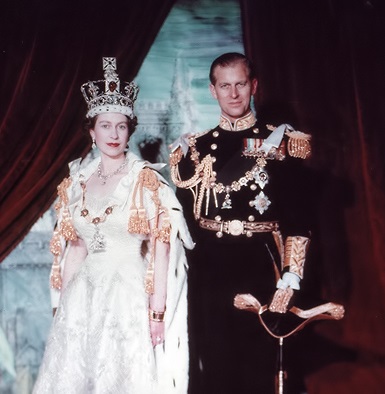
Who are these people?

Do you now have, or did you EVER have, a hereditary title or an order of nobility in any foreign country?

Yes, I do / No, I don’t / No, never

  • ¿Tiene ahora, o ¿Alguna vez tuvo, un título hereditario o una orden de la nobleza en cualquier país extranjero?
  • هل لديك الآن، أو هل لديك أي وقت مضى، وهو لقب وراثي أو أمر من نبل في أي بلد أجنبي؟
  • တစ်မျိုးရိုးလိုက်ခေါင်းစဉ်သို့မဟုတ်မည်သည့်နိုင်ငံခြားတိုင်းပြည်များတွင် nobility ၏အမိန့်ကိုသင်ယခုရှိပါသလော, သို့မဟုတ်သင်အစဉ်အဆက်ရှိခဲ့သလဲ
  • 你现在有,或者你曾经有,一个世袭贵族或在任何外国的订单?
  • آیا شما در حال حاضر، و یا آیا شما تا به حال، یک عنوان ارثی و یا منظور از اشراف در هر کشور خارجی؟
  • آیا تاسو اوس لري، او يا مو تل لري، يوه ميراثي سرليک يا په کوم بهرني هېواد د سرلوړۍ امر؟
  • У вас теперь есть, или вы когда-либо, наследственный титул или порядок благородства в любой другой стране?
  • Ha hadda aad leedahay, ama aad mar uun, horyaalka a dhaxlo ama amar ah oo ku abtirsan in dal kasta shisheeye?
  • Đừng bây giờ bạn có, hoặc bạn đã bao giờ có, một danh hiệu di truyền hoặc một trật tự của giới quý tộc ở bất kỳ nước nào?
  • اب آپ کو ایک موروثی عنوان یا کسی غیر ملک میں شرافت کا ایک حکم ہے، یا اگر آپ نے کبھی ضرورت تھی؟

Have you EVER been declared legally incompetent or been confined to a mental institution?

Yes, I have / No, I haven’t / No, never

  • Alguna vez ha sido declarado legalmente incompetente o ha sido confinado a una institución mental?
  • هل سبق لك أن أعلن غير كفء من الناحية القانونية أو تم حبسه في مصحة عقلية؟
  • သငျသညျအစဉျအမွဲတရားဝင်အရည်အချင်းမပြည့်ကြေညာခဲ့တာတစ်ခုသို့မဟုတ်စိတ်ပိုင်းဆိုင်ရာအဖွဲ့အစည်းမှချုပ်ထားခဲ့တာရှိပါသလား?
  • 你是否曾经被宣布依法不称职或仅限于精神病院?
  • آیا تا به حال اعلام شده است از نظر قانونی بی کفایت و یا به یک موسسه روانی محدود شده است؟
  • آيا تاسو په قانوني توګه بې کفایته اعلان شوي دي او یا د دماغي ارګان پورې محدود شوي دي؟
  • Вы когда-нибудь были объявлены недееспособными или ограничивалась психушку?
  • Weligaa ma lagu dhawaaqey sharci ahaan awoodin ama la egtahay hay’ad dhimirka?
  • Bạn đã bao giờ được công bố không đủ năng lực về mặt pháp lý hoặc được giới hạn trong một bệnh viện tâm thần?
  • کیا آپ نے کبھی قانونی طور پر نااہل قرار دیا گیا ہے یا ایک ذہنی ادارے میں قید کیا گیا؟

Review and Practice

  1. Have you EVER claimed to be a U.S. citizen?
  2. Have you EVER registered to vote in any election in the United States?
  3. Have you EVER voted in any election in the United States?
  4. Do you now have, or did you EVER have, a hereditary title or an order of nobility in any foreign country?
  5. Have you EVER been declared legally incompetent or been confined to a mental institution?

Read, Listen, and Answer

Week 3, Thursday (Fall 2020)

Reading and Civics

Judge, Court, Justice, Law, Right, Us Supreme Court

The United States government has many parts. Congress makes federal laws. The court interprets the laws. The president signs bills to become laws. The president is also in charge of the Executive branch.

Each part of the government is called a branch. The constitution made 3 branches of government to work together.

Name one branch or part of the government.* –> Congress / the President / the courts

Fingers, Fist, Hands, Paper, Rock, Scissor, Scissors

The founding fathers did not want America to have a king. They worried about one part of the government from getting too much power.

So, congress has some powers over the president. The president has some power over congress. The court has some power over the president and congress. Congress and the president also have some power over the court.

This separation of power is supposed to keep things balanced. We sometimes call these rules checks and balances.

What stops one branch of government from becoming too powerful? –> Checks and Balances

Another balance of power is between the federal government and state governments. Only the federal government can do some special things, like:

  • Print money
  • Declare war
  • Make treaties

Under our Constitution, some powers belong to the federal government. What is one power of the federal government? –> print money

On the other hand, only state governments have these powers:

  • Give a driver license
  • Provide education
  • Provide police and safety

Under our Constitution, some powers belong to the states. What is one power of the states? –> give a driver license

  1. What is the supreme law of the land?
  2. The idea of self-government is in the first three words of the Constitution. What are these words?
  3. What does the Constitution do?
  4. When was the Constitution written?
  5. What happened at the Constitutional Convention?
  6. The Federalist Papers supported the passage of the U.S. Constitution. Name one of the writers.
  7. Name one branch or part of the government.*
  8. Under our Constitution, some powers belong to the federal government. What is one power of the federal government?
  9. Under our Constitution, some powers belong to the states. What is one power of the states?
  10. What stops one branch of government from becoming too powerful?

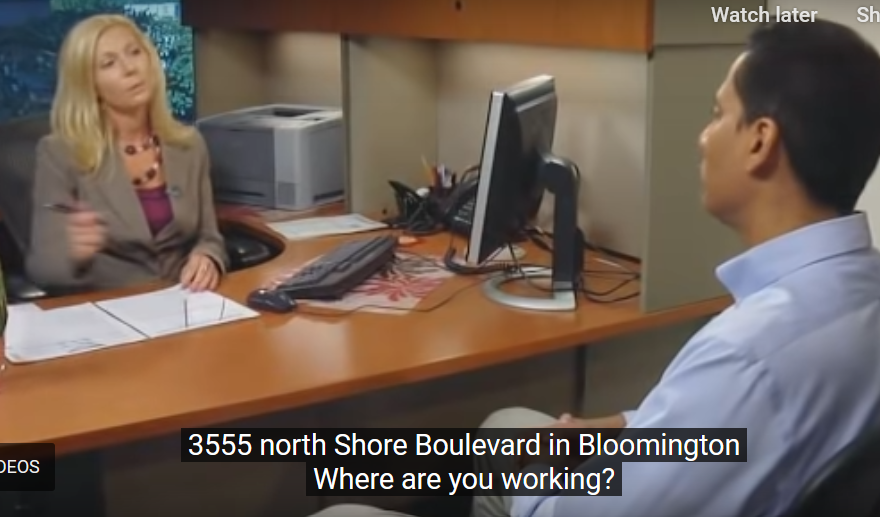
N-400 Practice: George Lincoln

Watch and listen to this example interview with an officer and George Lincoln.

  • What questions do you hear?
  • How many times does George say “excuse me” or a similar question?
  • Can you write down all the important numbers?
    • Don’t worry – that’s not a real Social Security Number! 🙂

Writing

Week 3 – Tuesday, Fall 2020

Where do you work? –> I work at _ / I’m unemployed / I am a stay at home parent / I’m a student

Reading and Civics

The constitution is the most important law of the United States.

That is what we mean when we say the constitution is the supreme law of the US.

What is the supreme law of the land? –> The Constitution

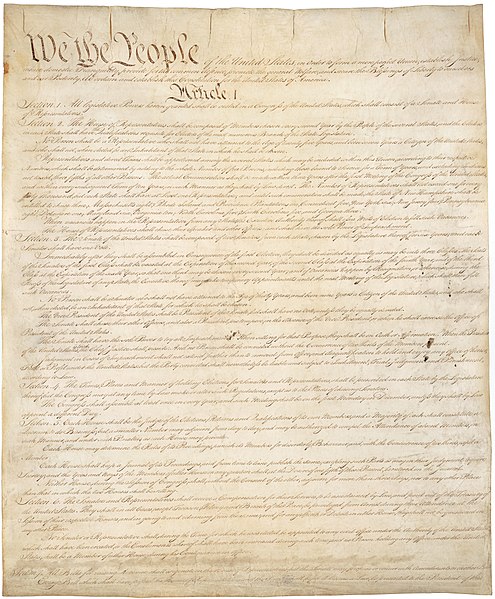
The Constitution has the idea of self-government in the first three words.

Self-government means a government by the people, of the people, and for the people.

It means we have a democracy, and we elect representatives.

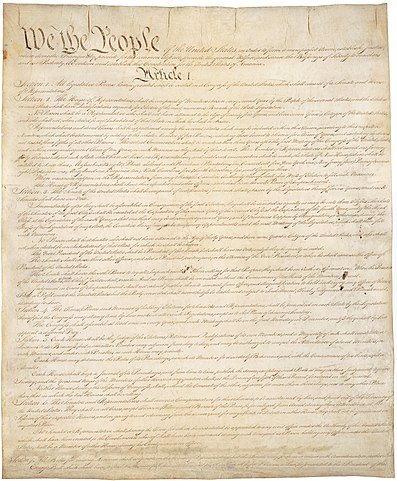
The idea of self-government is in the first three words of the Constitution. What are these words? –> We the people

Before the Constitution, the US didn’t have a clear system. States did not agree about important things like money, the military, or elections.

The Constitution was a plan to set up the government. It explains the system of government.

What does the Constitution do? –> It sets up the government.

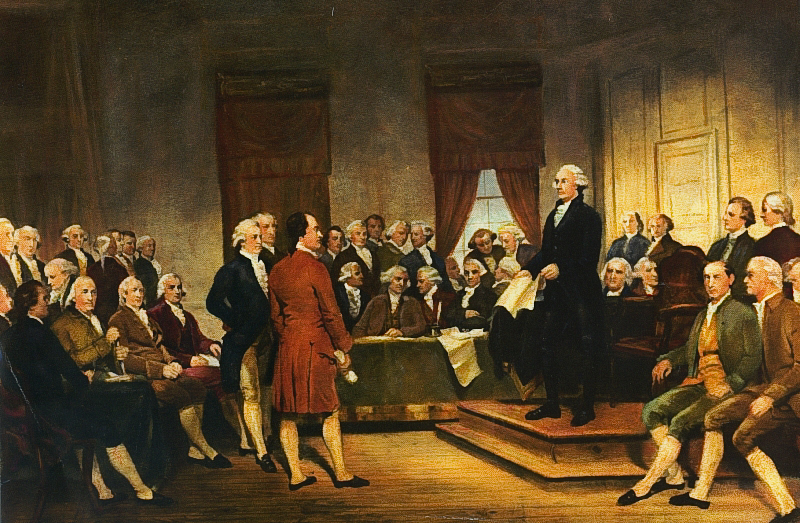
Can you find the famous founding fathers in this painting? Look for: Washington and Franklin.

The founding fathers were leaders who started the United States. They met in 1787 to write a new constitution for the US.

When was the Constitution written? –> 1787

This meeting was called the “Constitutional Convention.” During the Constitutional Convention, the founding fathers wrote the constitution.

We also say that at the Constitutional Convention, the constitution was written.

What happened at the Constitutional Convention? –>The founding fathers wrote the constitution.

After the constitution was written, every state had a vote about it.

Alexander Hamilton wrote the Federalist Papers. They explained why the US needed this constitution.

There is only one question about the Federalist Papers. When you hear “Federalist Papers,” you can think about this song:

The Federalist Papers supported the passage of the U.S. Constitution. Name one of the writers. –> Alexander Hamilton

  1. What is the supreme law of the land?
  2. The idea of self-government is in the first three words of the Constitution. What are these words?
  3. What does the Constitution do?
  4. When was the Constitution written?
  5. What happened at the Constitutional Convention?
  6. The Federalist Papers supported the passage of the U.S. Constitution. Name one of the writers.

N-400 Questions

  1. Where were you born? –> I was born in _______
  2. Are you a citizen of that country? –> Yes I am / No I’m not
  3. Are either of your parents US Citizens? –> Yes, my mom / Yes, my dad / Yes, both / No, they aren’t
  4. Where do you work? –> I work at _____ / I’m unemployed / I am a stay at home parent / I’m a student
  5. What is your marital status? Are you single, married, divorced, widowed, or separated?
  6. How many times have you been married?
  7. Do you have any children?

N-400 Practice: Antonio Paz

Watch part of Antonio’s interview. What do you think?

Did he do great? Terrible? So-so?

What questions did you hear? Do you hear the most important question?

This is only an example. This is only part of an interview.

Excuse me, can you explain that?

  1. What’s your full legal name?
  2. What is your marital status? Are you married? Single? Divorced? Widowed?
  3. How many times have you been married?
  4. Was your wife born in the US?
  5. Who is your wife’s employer?
  6. Do you have children?
  7. Were they born in the US? / Was she born in the US?
  8. Where do your children live? / Where does your child live?
  9. Have you spent any time outside the United States since you became a permanent resident?

Writing

Week 2, Thursday – Fall 2020

Civics Review: Oregon Leaders

Reading+Civics: Places

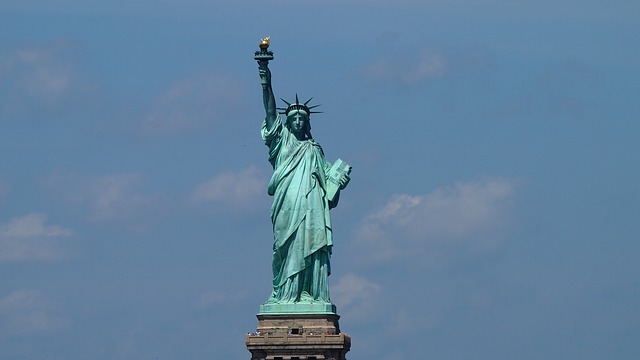
Do you know what this famous statue is?

The Statue of Liberty is a famous place in New York.

Have you ever visited the Statue of Liberty?

Where is the Statue of Liberty? –> New York

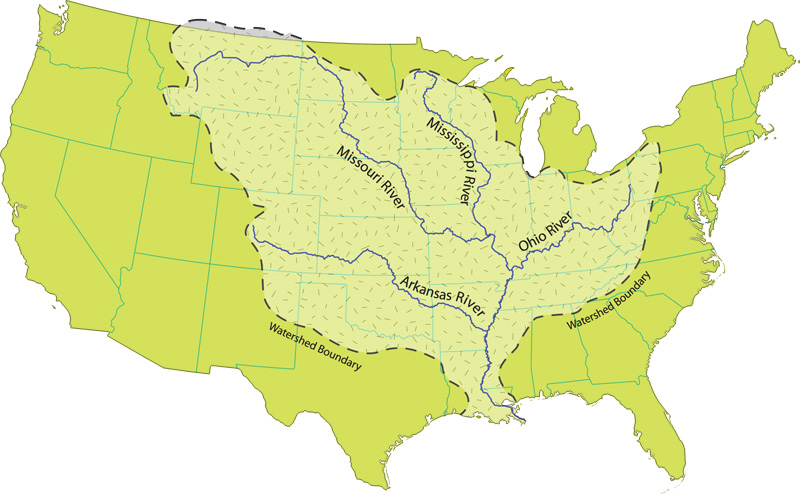
The United States has many long rivers.

The number one longest river in the United States is the Mississippi.

Name one of the two longest rivers in the United States. –> Mississippi

Oregon, Washington, and California are states. They are part of the 50 United States.

Citizens in states can vote for president. But they also have to pay federal taxes.

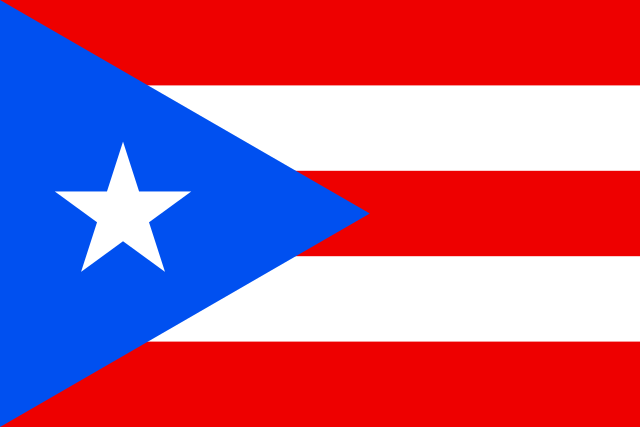
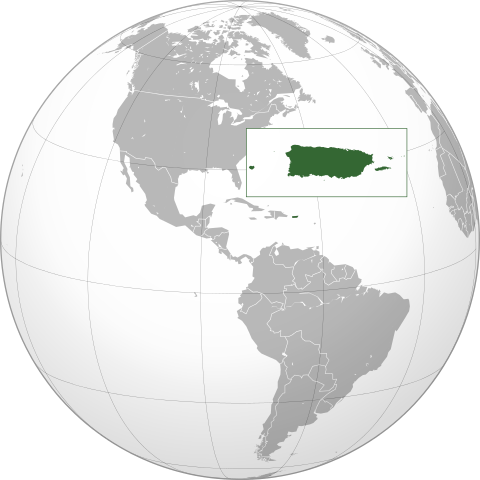
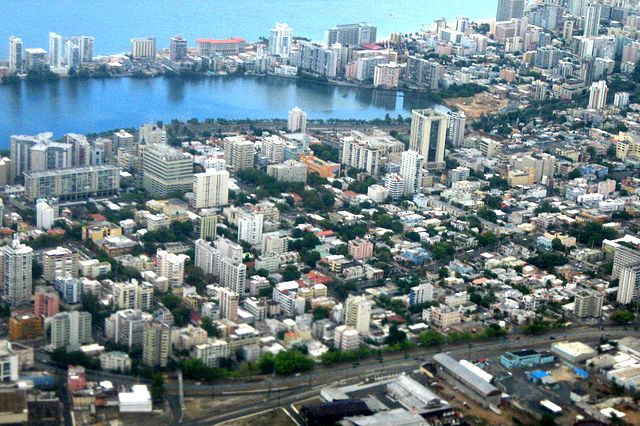
The United States also has territories. Territories are not the same as states. For example, Puerto Rico is a territory with more than 3 million people.

They are part of the US, but the citizens there do not vote for president. But, they do not have to pay the same taxes.

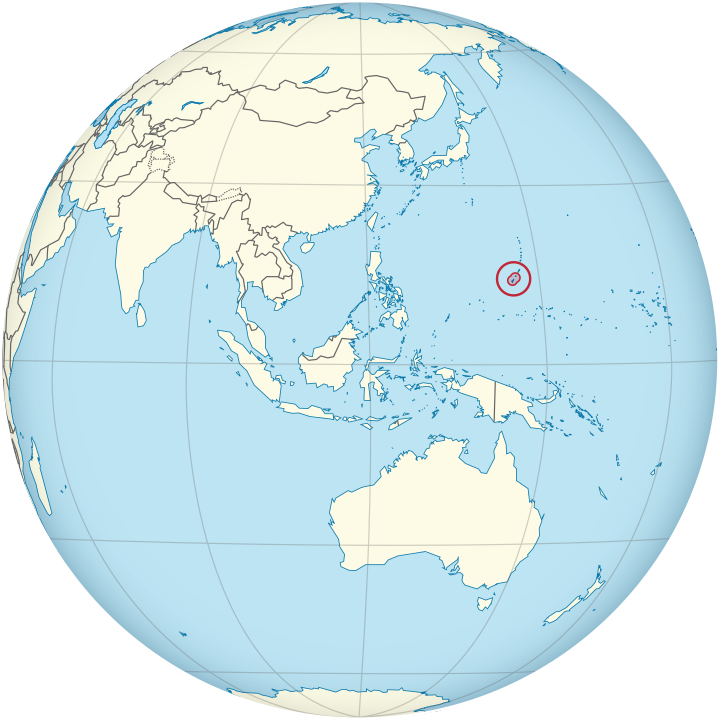
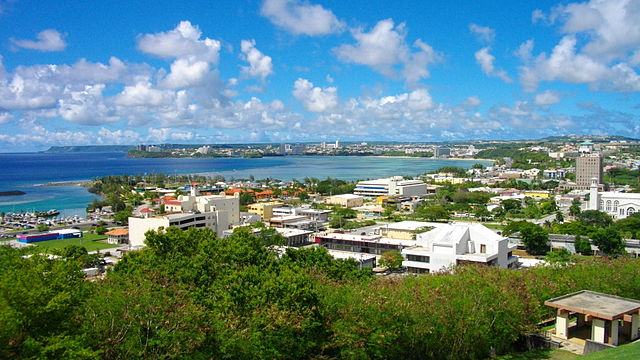
Another US territory is Guam. It is an island in the Pacific Ocean with about 165,000 people.

Name one US Territory. –> Puerto Rico

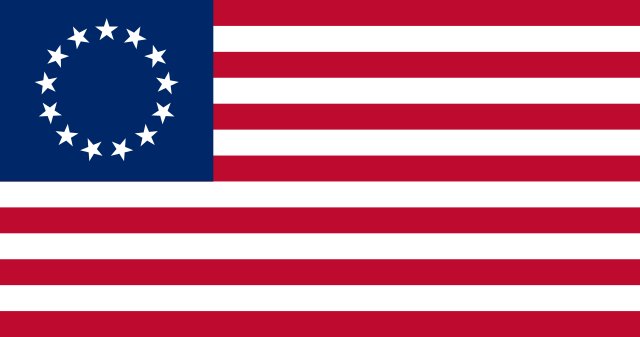
The United States flag has 50 stars. Each star represents one state.

The flag has 50 stars because we have 50 states. Why does the flag have 50 stars? –> Because we have 50 states

The Day of the Interview

Watch this video from USCIS with important information about the day of your interview.

You know that you should come _____________ minutes early, and the address of USCIS in Portland is _________ ________ Overton St.

But when you come to USCIS for the interview, what should you bring?

Choose 2 out of 3 (2 are correct, 1 is not necessary). For example:

Your notice of interview appointment.Permanent Resident Card.A toothbrush and toothpaste.

Passports and ID           

Your passport and Oregon ID (or drivers license)A library card with your name on it.All your expired (old) passports.

More helpful documents

Your marriage certificate (if you’re married)Your divorce papers (if you’re divorced).Flowers (if you meet someone cute at the interview)

Other legal papers

Official papers for your dog or cat (if you have one)Name change papers (if you changed your name before)Court papers (if you had a criminal problem before)

Selective Service

For men between 18-31, you should bring proof of Selective Service Registration. Please call Selective Service at 1-847-688-6888 or visit https://www.sss.gov/Registration/Check-a-Registration/Verification-Form

2020 Updates

A face mask to help prevent COVID-19A stick that is 6 feet long so you will stay physically distant. A black pen

Week 2 – Tuesday Fall 2020

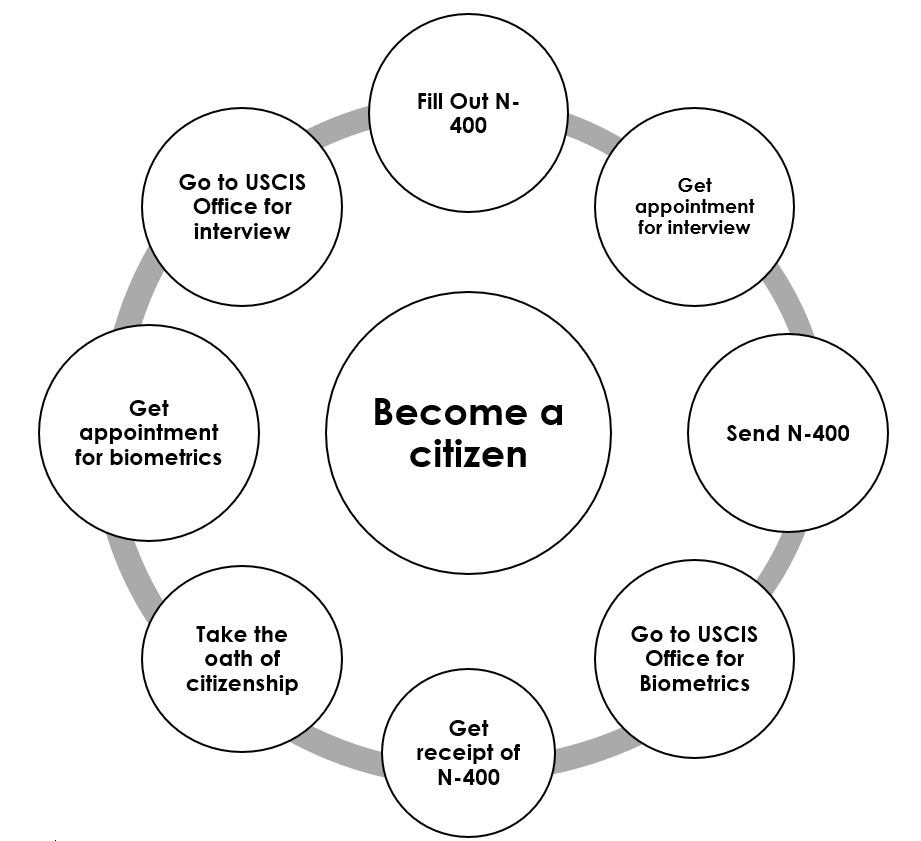
Citizenship Process

Which step is first? Second? Last?
  1. Have you filled out the N-400?
  2. Have you sent the N-400?
  3. Have you gotten the receipt of the N-400?
  4. Have you gotten an appointment for biometrics?
  5. Have you gone to the USCIS office for biometrics?
  6. Have you gotten an appointment for your interview?
  7. Have you gone to the USCIS office for an interview?
  8. Have you taken the oath of citizenship?

Review: Current Leaders

Reading+Civics: Places

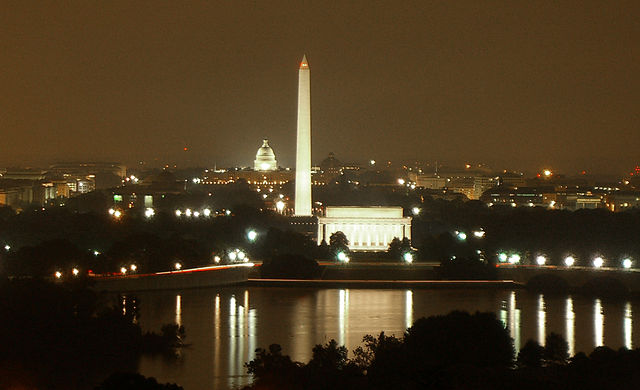
Where is this? How do you know?

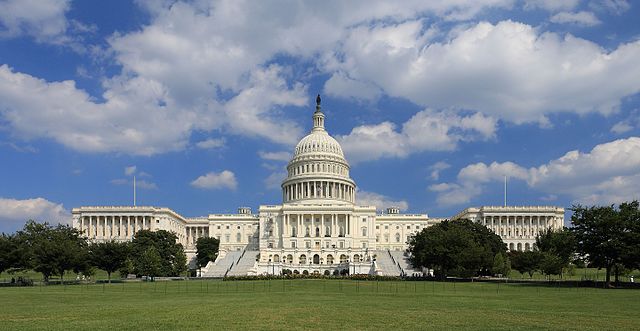
The federal government meets in Washington, D.C.

It is the home of Congress, the President, and the Supreme Court.

What is the capital of the United States? –> Washington, D.C.

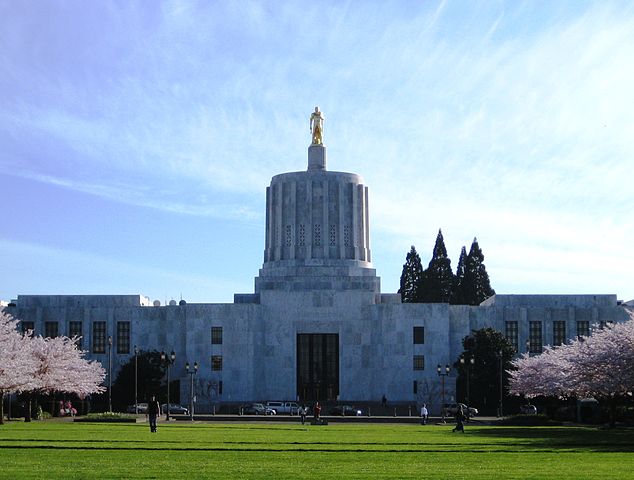
This is the Oregon capital building.

Every state has a capital, too. Oregon’s capital is Salem.

It is the home of the governor, the state congress, and the state supreme court.

What is the capital of your state? –> Salem (Oregon), Olympia (Washington)

The United States has two coasts where the ocean borders the country.

Oregon, Washington, and California are next to the Pacific Ocean.

We can drive and visit the Pacific Ocean on the West Coast.

What ocean is on the West Coast of the United States? –> The Pacific

The Atlantic Ocean is on the East Coast of the United States. It is too far away from us!

What ocean is on the East Coast of the United States? –> The Atlantic

The United States borders Canada. That means the US is next to Canada.

Canada is to the north of the United States. Many states border Canada.

Washington is one example of a state that borders Canada.

Name one state that borders Canada. –> Washington

The United States also borders Mexico.

Mexico is to the South of the United States.

4 states border Mexico. California is one state that borders Mexico.

Name one state that borders Mexico. –> California

N-400 Questions

  1. What is your phone number?
  2. What is your current address?
  3. What is your date of birth?
  4. Sorry?
  5. When were you born?
  6. Where were born?

Dictation

Week 1, Thursday – Fall 2020

What is your name?

My name is Eric.

Do you want to legally change your name?

Yes, I do. / No, I don’t.

Excuse Me?

Where do you live?

I live in Southeast Portland.

Reading and Civics: Leaders

Congress has two parts: the Senate and the House.

The leader of the House of Representatives is called the Speaker of the House.

Official portrait of Speaker of the House Nancy Pelosi, photographed January 11, 2019 in the Office of the Speaker in the United States Capitol.

Right now, the Speaker of the House is Nancy Pelosi, from California.

What is the name of the Speaker of the House now? –> Nancy Pelosi

The highest court in the United States is the Supreme Court.

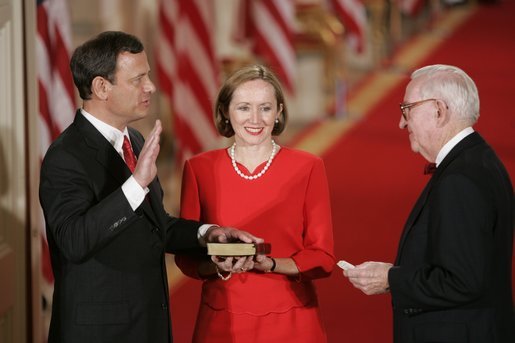
The leader of the Supreme Court is called the Chief Justice.

Swearing in of Supreme Court Chief Justice John Roberts.

Right now, the Chief Justice of the Supreme Court is John Roberts.

Who is the Chief Justice of the United States now? –> John Roberts

The leader of the federal government is the president.

The leader of our state is called the governor.

Right now, the governor of Oregon is Kate Brown.

Who is the Governor of your state now? –> Kate Brown (Oregon)

Who is the Governor of your state now? –> Jay Inslee (Washington)

Every state has two senators who go to Washington D.C.

Senators work for all of the people in the state.

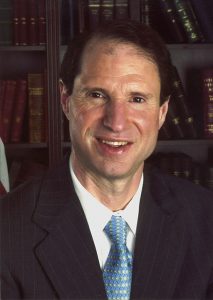
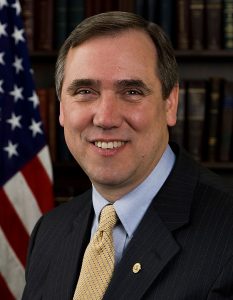
Oregon’s senators are Ron Wyden and Jeff Merkley.

Washington’s senators are Patty Murray and Maria Cantwell.

Who is one of your state’s US Senators now? –> Ron Wyden or Jeff Merkley (Oregon) –> Patty Murray or Maria Cantwell (Washington)

Each state also has representatives.

Some states have more representatives because they have more people.

Oregon has 5 representatives.

The representative for Portland is Earl Blumenauer.

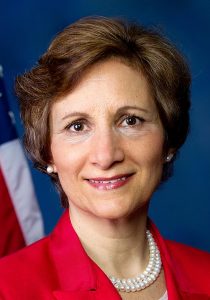
The representative for Beaverton and Washington County is Suzanne Bonamici.

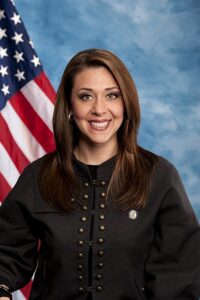
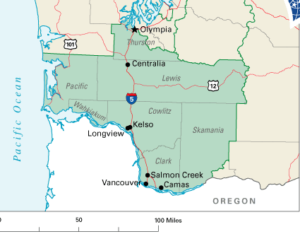
If you live in Southwest Washington, your representative is probably Jaime Herrera Beutler. She works for people in Vancouver, Longview, and other parts of Southwest Washington.

Name your US Representative. –> Earl Blumenauer (Portland), Suzanne Bonamici (Beaverton and Washington County), Jaime Herrera Beutler (Southwest Washington)

The United States is a democracy. This means every person has a voice, and every citizen has a vote.

American citizens can do many things to be part of our democracy. They can participate in many ways.

For example, citizens can vote for leaders they like.

In Oregon and Washington, citizens can also vote on new laws for the state.

Another way Americans can participate is calling your representative.

When you call your representative, you can tell them your opinion about important things. A good representative will listen to the people.

A bad representative will not get your votes in the next election. 🙂

What are 2 ways that Americans can participate in their democracy? –> Vote and Call your Representative

Civics Review

  1. What is the capital of the United States?*
  2. What is the capital of your state?*
  3. What is the name of the President of the United States now?*
  4. What is the political party of the President now?
  5. What is the name of the Vice President of the United States now?
  6. What is the name of the Speaker of the House of Representatives now?
  7. Who is the Chief Justice of the United States now?
  8. Who is the Governor of your state now?
  9. Who is one of your state’s U.S. Senators now?*
  10. Name your U.S. Representative.
  11. What are two ways that Americans can participate in their democracy?

Week 1 – Tuesday, Fall 2020

What is your name?

My name is Eric.

Have you used any other names?

Many people call me “teacher” 🙂

Can you repeat that?

When did you become a legal permanent resident?

About Citizenship

What are the 4 parts of the citizenship interview?

Reading about Civics

Where is this? How do you know?

The federal government meets in Washington, D.C.

It is the capital of the United States.

What is the capital of the United States? –> Washington, D.C.

This is the Oregon capital building.

The largest city in Oregon is Portland, but it is not the capital.

The capital of Oregon is Salem.

What is the capital of your state? –> Salem

Who is this?

The leader of the federal government is the president.

What is the name of the President of the United States now? –> Donald Trump / Trump

The two major political parties are Democratic and Republican.

What is the political party of the President now? –> Republican

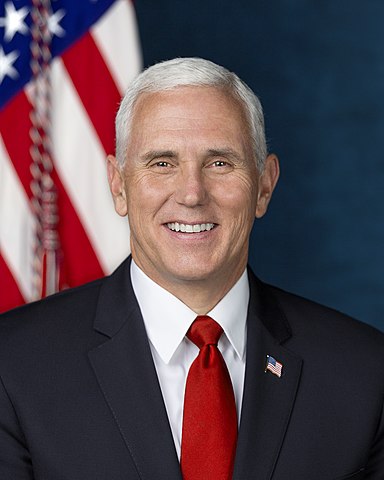
Vice President Micheal Pence poses for his official portrait at The White House, in Washington, D.C., on Tuesday, October 24, 2017. (Official White House Photo by D. Myles Cullen)

The Vice President works with the President.

If the President can no longer serve, the Vice President becomes president.

What is the name of the Vice President of the United States now? –> Mike Pence

Review Civics

94. What is the capital of the United States?*
44. What is the capital of your state?*
28. What is the name of the President of the United States now?*
46. What is the political party of the President now?
29. What is the name of the Vice President of the United States now?

Writing Practice

Week 12 – Tuesday (Summer 2020)

Reading: Important Words

We practice a lot of information about civics and the N400. But, the reading test is much easier.

The reading test does not have many difficult words. The reading test usually is a question. You only have to read the question. You don’t have to answer it!
The reading test only has these words:

  • Question words:
    • What
    • When
    • Where
    • Who
    • Why
    • How
  • Actions (Verbs)
    • can
    • come
    • do
    • does
    • elects
    • has
    • have
    • is
    • are
    • was
    • be
    • lives
    • lived
    • meet
    • name
    • pay
    • vote
    • want
  • People and places
    • we
    • Abraham Lincoln
    • George Washington
    • America
    • United States
    • U.S.
  • Holidays
    • Presidents’ Day
    • Memorial Day
    • Flag Day
    • Independence Day
    • Labor Day
    • Columbus Day
    • Thanksgiving
  • Civics information
    • American flag
    • Bill of Rights
    • capital
    • citizen
    • city
    • Congress
    • country
    • Father of our Country
    • government
    • President
    • right
    • senators
    • state
    • states
    • White House
  • Other information
    • colors
    • dollar bill
    • first
    • largest
    • many
    • most
    • north
    • one
    • people
    • second
    • south
  • Grammar words
    • a
    • for
    • here
    • in
    • of
    • on
    • the
    • to