N-400 Part 12: Question 14

N400 Vocabulary Review

N-400 Questions 11-14B

  • Have you ever advocated (either directly or indirectly) the overthrow of any government by force or violence?
  • Have you ever persecuted (either directly or indirectly) any person because of race, religion, national origin, membership in a particular social group, or political opinion?
  • Between March 23, 1933 and May 8, 1945, did you work for or associate in any way (either directly or indirectly) with The Nazi government of Germany?
  • Were you ever involved in any way with badly hurting, or trying to hurt, a person on purpose?
  • Were you ever involved in any way with torture?

N400: Part 12, Question 14
Were you EVER involved in any way with killing, or trying to kill someone?

Yes, I was / No, I wasn’t / No, never

  • ¿Alguna vez involucrado en cualquier forma de matar, o tratando de matar a alguien?
  • هل كنت تشارك في أي وقت بأي شكل من الأشكال مع قتل أو محاولة قتل شخص ما؟
  • သငျသညျအစဉျအမွဲသတ်ဖြတ်, ဒါမှမဟုတ်တစ်စုံတစ်ဦးကိုသတ်ပစ်ရန်ကြိုးစားနေနှင့်အတူမည်သည့်လမ်းအတွက်ပါဝင်ပတ်သက်ရှိသနည်း
  • 你曾经参加以任何方式杀死,或试图杀人?
  • شد شما تا به حال به هیچ وجه با کشتن، و یا تلاش برای کشتن کسی درگیر است؟
  • Ați fost vreodată implicat în vreun fel cu uciderea, sau încercând să omoare pe cineva?
  • تاسو تل سره وژل شوي، او یا د چا د وژلو هڅه کوي په هره لاره کې لاس؟
  • Были ли вы когда-либо участие в любом случае с убийством или пытается убить кого-то?
  • Ayaa aad waligaa ku lug leh si kasta oo la dilay, ama isku dayayaan in ay dilaan qof?
  • Đã bao giờ bạn tham gia vào bất kỳ cách nào với giết chết, hoặc cố gắng để giết một ai đó?
  • کیا آپ نے کبھی قتل، یا کسی کو قتل کرنے کی کوشش کر کے ساتھ کسی بھی طرح سے ملوث تھے؟
Image by Gordon Johnson from Pixabay

Were you EVER involved in any way with forcing, or trying to force, someone to have any kind of sexual contact or relations?

Yes, I was / No, I wasn’t / No, never

  • ¿Alguna vez involucrado de alguna manera con forzar, o tratando de forzar a alguien a tener ningún tipo de contacto sexual o relaciones?
  • هل كنت تشارك في أي وقت بأي شكل من الأشكال إجبار، أو محاولة فرض، شخص ما لديك أي نوع من الاتصال الجنسي أو العلاقات؟
  • သငျသညျအစဉျအမွဲအတင်းအကျပ်, ဒါမှမဟုတ်လိင်ပိုင်းဆိုင်ရာအဆက်အသွယ်သို့မဟုတ်ဆက်ဆံရေးမဆိုကြင်နာရှိသည်ဖို့, တစ်စုံတစ်ဦးကအတင်းဖို့ကြိုးစားနေနှင့်အတူမည်သည့်လမ်းအတွက်ပါဝင်ပတ်သက်ရှိသနည်း
  • 你曾经参与了与强迫,或试图强迫,别人有什么样的性接触或关系的方法吗?
  • شد شما تا به حال به هیچ وجه با مجبور، و یا تلاش به زور، کسی را به هر گونه تماس جنسی یا روابط درگیر است؟
  • Ați fost vreodată implicat în vreun fel cu forțarea sau încercarea de a forța, cineva să aibă nici un fel de contact sexual sau relații?
  • تاسو تل سره په اړ، او یا هڅه کوي چې په زور، چا چې د جنسي تماس او یا د اړیکو هر ډول کومه لاره لاس؟
  • Были ли вы когда-либо участие в любом случае с форсирует, или пытаться заставить, кого-то есть какие-то сексуальные контакты или отношения?
  • Ayaa aad waligaa ku lug leh si kasta oo la qasbo, ama isku dayaya in uu ku qasbo, qof in ay leeyihiin nooc kasta oo xidhiidh galmo ama xiriirka?
  • Đã bao giờ bạn tham gia vào bất kỳ cách nào với buộc, hoặc cố gắng để buộc, ai đó có bất kỳ loại quan hệ tình dục hoặc quan hệ?
  • کیا آپ نے کبھی مجبور، یا جنسی رابطہ یا تعلقات کی کسی بھی قسم کی ہے کرنے کے لئے مجبور کرنے کی، کسی نے کوشش کر کے ساتھ کسی بھی طرح سے ملوث تھے؟

Were you EVER involved in any way with not letting someone practice their religion?

Yes, I was / No, I wasn’t / No, never

  • ¿Alguna vez involucrado de alguna manera con no dejar que alguien practicar su religión?
  • هل كنت تشارك في أي وقت بأي شكل من الأشكال مع عدم السماح لشخص ممارسة شعائرهم الدينية؟
  • သငျသညျအစဉျအမွဲတစ်စုံတစ်ဦးက၎င်းတို့၏ဘာသာတရားကိုကျင့်သုံးခွင့်မပေးနှင့်အတူမည်သည့်လမ်းအတွက်ပါဝင်ပတ်သက်ရှိသနည်း
  • 你曾经参与了与不让某人从事宗教活动什么办法?
  • آیا شما تا به حال به هیچ وجه با اجازه دادن به کسی مذهب خود درگیر است؟
  • Ați fost vreodată implicat în vreun fel cu cineva care nu lasa practica religia lor?
  • تاسو تل په سره نه اجازه چا خپل دين عملي هره لاره کې لاس؟
  • Были ли вы когда-либо участие в любом случае с не позволить кому-то исповедовать свою религию?
  • Ayaa aad waligaa ku lug leh si kasta oo la aan daynin qof ku dhaqmaan diintooda?
  • Đã bao giờ bạn tham gia vào bất kỳ cách nào với không để một người nào đó thực hành tôn giáo của họ?
  • کیا آپ نے کبھی کسی کو اپنے مذہب پر عمل نہیں دے کے ساتھ کسی بھی طرح سے ملوث تھے؟
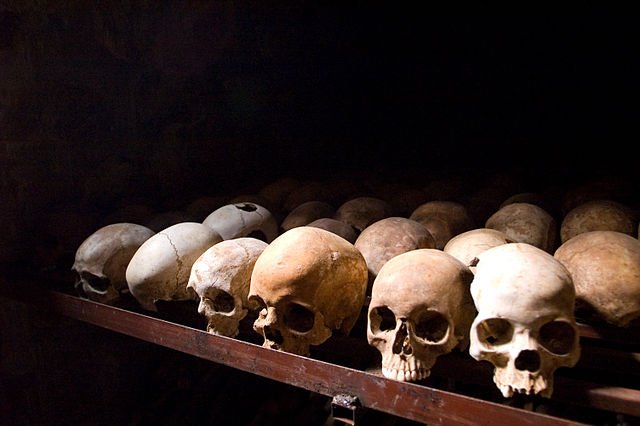
Rwanda Genocide memorial, picture by Fanny Schertzer

Were you EVER involved in any way with genocide?

Yes, I was / No, I wasn’t / No, never

  • ¿Alguna vez involucrado de alguna manera con el genocidio?
  • هل كنت تشارك في أي وقت بأي شكل من الأشكال الإبادة الجماعية؟
  • သငျသညျလူမျိုးတုံးသတ်ဖြတ်မှုနှင့်အတူမည်သည့်လမ်းစဉ်အပါဝင်ပတ်သက်ရှိသနည်း
  • 你曾经参与种族灭绝什么办法?
  • شد شما تا به حال به هیچ وجه با نسل کشی درگیر است؟
  • Ați fost vreodată implicat în vreun fel cu genocid?
  • تاسو تل په سره نسل هره لاره کې لاس؟
  • Были ли вы когда-либо вовлечены в любом случае с геноцидом?
  • Ayaa aad waligaa ku lug leh si kasta oo la xasuuq?
  • Đã bao giờ bạn tham gia vào bất kỳ cách nào với nạn diệt chủng?
  • اگر آپ کبھی بھی نسل کشی کے ساتھ کسی بھی طرح سے ملوث تھے؟
  1. Were you EVER involved in any way with killing, or trying to kill someone?
  2. Were you EVER involved in any way with forcing, or trying to force, someone to have any kind of sexual contact or relations?
  3. Were you EVER involved in any way with not letting someone practice their religion?
  4. Were you EVER involved in any way with genocide?

The Civil War (Winter 21 week 5)

In the 1800s, the United States fought the War of 1812, the Mexican-American War, the Spanish-American War, and the Civil War.

The most important war in the 1800s was the Civil War, or the war between the states.

Name one war fought by the United States in the 1800s. –> The Civil War

The North: blue and yellow – The South: red and orange

The Civil War was a fight between the North and the South from 1861 to 1865.

More people in the North wanted to end slavery. States in the South wanted to continue slavery.

Name the U.S. war between the North and the South. –> The Civil War

In many places, there were more slaves than citizens. You can find an interactive map of slave population in this link.

The problem of slavery led to the Civil War. The Civil War led to the death of almost one million Americans.

Name one problem that led to the Civil War. –> Slavery

The Civil War was a very difficult time.

Abraham Lincoln was president of the United States during the Civil War.

Lincoln was the 16th president of the United States

Abraham Lincoln freed the slaves.

What was one important thing that Abraham Lincoln did?* –> Freed the slaves

He signed a law called the Emancipation Proclamation. The Emancipation Proclamation freed the slaves.

What did the Emancipation Proclamation do? –> Freed the slaves

Lincoln died on April 15, 1865

After the war, Abraham Lincoln was killed.

Slides with questions to practice this information.

Civics Questions

  • Name one war fought by the United States in the 1800s.
  • Name the U.S. war between the North and the South.
  • Name one problem that led to the Civil War.
  • What was one important thing that Abraham Lincoln did?*
  • What did the Emancipation Proclamation do?

The Young United States

Civics Review: The Declaration and Constitution

Reading and Civics

After Washington, Adams became president. After Adams, Thomas Jefferson became president.

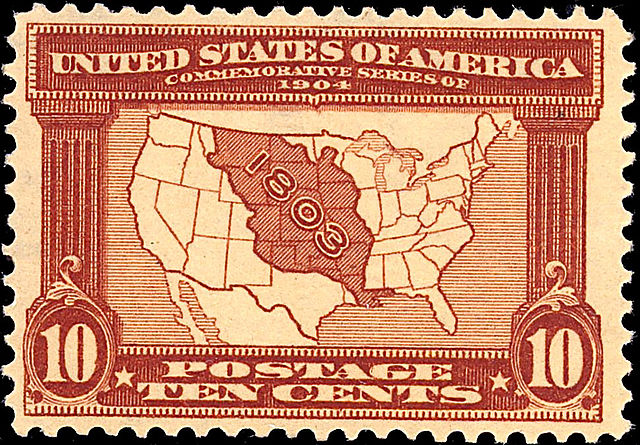
This stamp shows the Louisiana Territory

Thomas Jefferson wanted the United States to get bigger and bigger.

The Louisiana Territory was 828,000 square miles of land. It was named after King Louis (Luis) of France.

In 1803, the United States bought the Louisiana Territory from France.

What territory did the United States buy from France in 1803? –> Louisiana

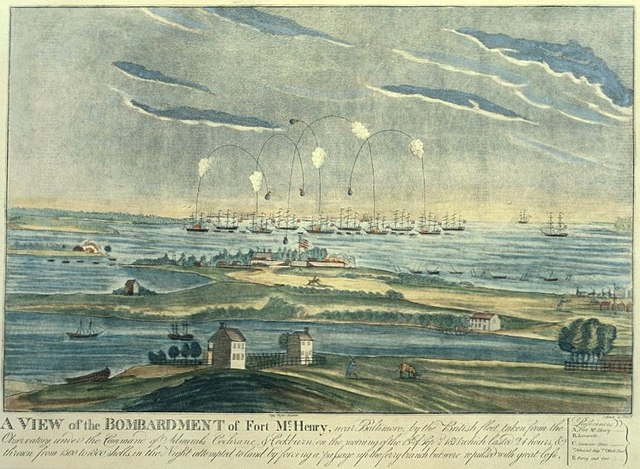
In 1812, there was more war with England. One man saw a terrible fight all night long. But in the morning, the US flag was still there.

He wrote a poem and a song called “The Star Spangled Banner.”

The Star Spangled Banner means “the flag with a lot of stars.”

It was very popular. It became the national anthem for the United States.

You can watch the National Anthem from the 2021 Inauguration of Joe Biden

What is the name of the national anthem? –> The Star Spangled Banner

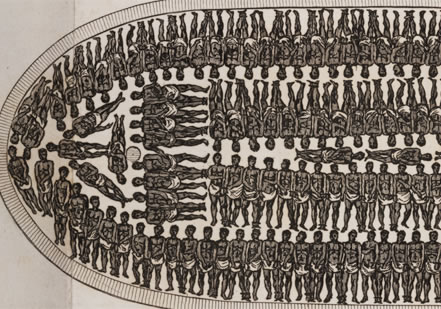
African people were brought to the United States as slaves from 1619 to 1821.

Even after 1821, slavery continued in the south United States.

There were 4 million slaves in the United States. More and more, people said: “This is wrong. All people have the rights of life and liberty.”

These people wanted civil rights for all Americans. Civil rights means protecting the rights of all people.

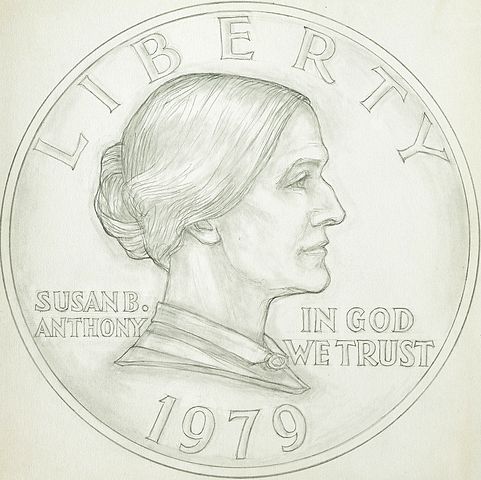
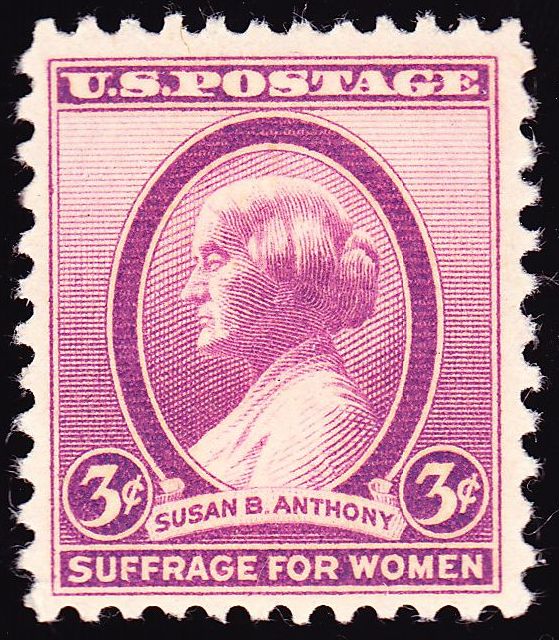
One important civil rights leader was Susan B. Anthony. Susan B. Anthony fought for civil rights for all people, black and white.

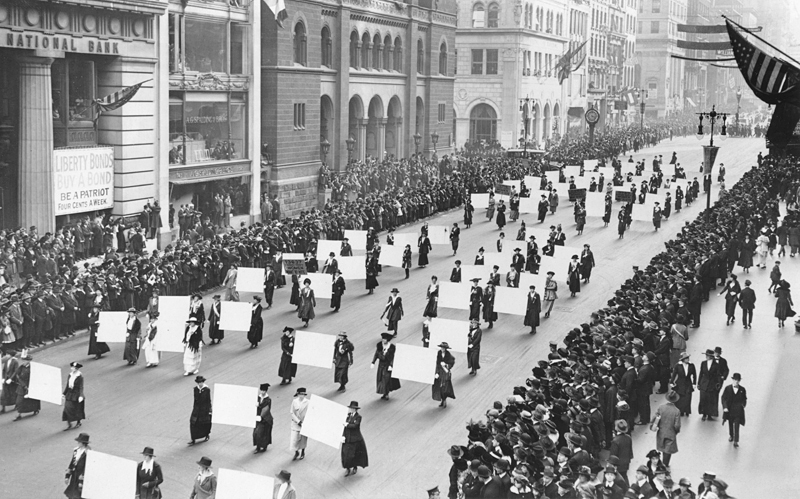
Also, Susan B. Anthony fought for women’s rights. For example, in the 1700s and 1800s, women in the United States did not have the right to vote.

What did Susan B. Anthony do? –> Fought for women’s rights.

Suffragists parade down Fifth Avenue, New York City, 1917. Advocates march in October 1917, displaying placards containing the signatures of more than one million New York women demanding the vote. The New York Times Photo Archives

In 1920, Americans made a change to the constitution. The 19th (nineteenth) Amendment means that all women citizens of the United States get the right to vote.


But what about the millions of slaves in the US in the 1800s? The evil problem of slavery was like a bomb waiting. And in 1861, the bomb went off.

Questions

  • What territory did the United States buy from France in 1803?
  • What did Susan B. Anthony do?
  • What is the name of the national anthem?

N400 Part 12: Questions 6-10

Review: Questions 1-5

  1. Have you EVER claimed to be a U.S. citizen?
  2. Have you EVER registered to vote in any election in the United States?
  3. Have you EVER voted in any election in the United States?
  4. Do you now have, or did you EVER have, a hereditary title or an order of nobility in any foreign country?
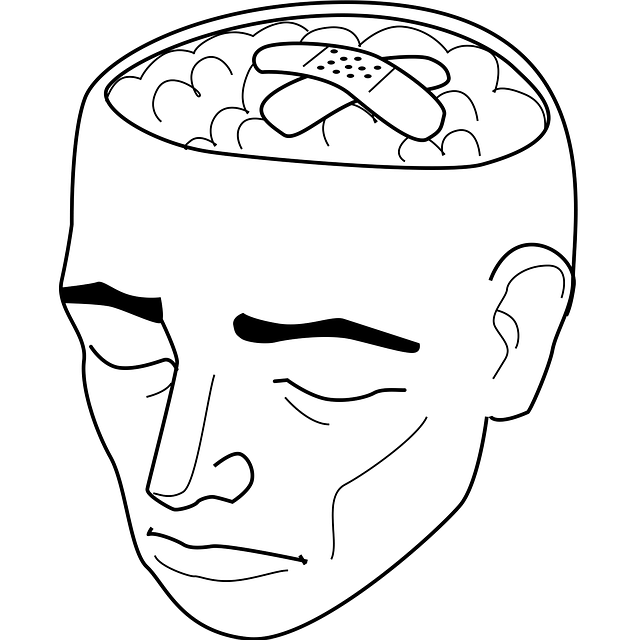
  5. Have you EVER been declared legally incompetent or been confined to a mental institution?

N-400 Vocabulary Practice

N-400 Part 12: Questions 6-10

  1. Do you owe any overdue Federal, state, or local taxes?
  2. Have you EVER not filed a Federal, state, or local tax return since you became a lawful permanent resident?
  3. Have you called yourself a “non-U.S. resident” on a Federal, state, or local tax return since you became a lawful permanent resident?
  4. Have you EVER been a member of any organization?
  5. Have you EVER been a member of, or in any way associated with The Communist Party?
    1. Have you EVER been a member of, or in any way associated with any other totalitarian party?
    2. Have you EVER been a member of, or in any way associated with a terrorist organization?

Do you owe any overdue Federal, state, or local taxes?

  • ¿Se debe ningún atraso federales, estatales o locales?
  • هل ندين أي تأخر الاتحادية، الدولة، أو الضرائب المحلية؟
  • သင်သည်မည်သည့်ရက်ကျော်နေပြီဖက်ဒရယ်, ပြည်နယ်သို့မဟုတ်ဒေသဆိုင်ရာအခွန်ကြွေးသလား?
  • 你欠任何逾期联邦,州或地方税?
  • هیچ به سر رسیده فدرال، ایالتی، و یا مالیات های محلی شما را مجبور؟
  • آیا تاسو کوم ورځباندې د فدرالي، د بهرنیو چارو، او يا ځايي ماليه پوروړې دي؟
  • Обязаны ли вы какой-либо просроченные федеральные, государственные или местные налоги?
  • Ma lagugu leeyahay wax daahsan Federaalka, gobolka, ama cashuuraha degmada aad?
  • Bạn có nợ quá hạn bất kỳ liên bang, tiểu bang, hoặc thuế địa phương?
  • آپ کو کسی بھی اتدیئ وفاقی، ریاستی یا مقامی ٹیکس واجب الادا ہے؟
  • Hutangmu sebarang tertunggak Persekutuan, negeri, atau cukai tempatan?

Have you EVER not filed a Federal, state, or local tax return since you became a lawful permanent resident?

  • ¿Alguna vez ha presentado una no federal, estatal o declaración de impuestos local desde que se hizo residente legal permanente?
  • هل لم تقدم أي إقرار ضريبي فيدرالي أو حكومي أو محلي منذ أن أصبحت مقيمًا دائمًا قانونيًا؟
  • သင်တစ်ဦးအရာကိုပြုသင့်သည်အမြဲတမ်းနေထိုင်သူဖြစ်လာခဲ့သည်ကတည်းကသင်သည်အစဉ်အဖက်ဒရယ်, ပြည်နယ်သို့မဟုတ်ဒေသဆိုင်ရာအခွန်ပြန်လာတင်သွင်းပြီမဟုတ်လော
  • 你曾经不提起了联邦,州和地方税收返还,因为你成为合法永久居民?
  • آیا تا به حال فدرال، ایالتی، و یا بازگشت مالیات محلی ثبت نکرده از شما یک مقیم دائم قانونی شد؟
  • آیا تاسو کله هم د فدرالي، د بهرنیو چارو، او يا ځايي مالياتي اظهارليک نه درج راهیسې تاسو حلال دايمي اوسيدونکی شو؟
  • Вы когда-либо не подали федеральные, государственные или местную налоговую декларацию, так как вы стали законным постоянным жителем?
  • Waligaa ma gudbiyay a Federaalka, gobolka, ama canshuur celinta degaanka tan iyo aad u noqday deganaanshaha joogtada ah xalaal ahayn?
  • Có bao giờ bạn không nộp một liên bang, tiểu bang, hoặc tờ khai thuế địa phương kể từ khi bạn trở thành một thường trú nhân hợp pháp?
  • آپ کو ایک حلال مستقل رہائشی بننے کے بعد تم نے کبھی ایک وفاقی، ریاستی یا مقامی ٹیکس ریٹرن دائر نہیں کیا ہے؟
  • Adakah anda pernah tidak memfailkan Persekutuan, negeri, atau kembali cukai tempatan kerana anda menjadi seorang pemastautin tetap yang sah?

Have you called yourself a “non-U.S. resident” on a Federal, state, or local tax return since you became a lawful permanent resident?

  • ¿Ha llamado a sí mismo un “fuera de EE.UU.. Residente” en una, estatal o local de declaración de impuestos federal desde que se hizo residente legal permanente?
  • هل تسمى نفسك “خارج الولايات المتحدة. المقيمين” على الاتحادية، والدولة، أو الإقرار الضريبي المحلية منذ أن أصبحت مقيما بصفة قانونية؟
  • သင်တစ်ဦးအရာကိုပြုသင့်သည်အမြဲတမ်းနေထိုင်သူဖြစ်လာခဲ့သည်ကတည်းကသင်ကိုယ်တိုင်ဖက်ဒရယ်, ပြည်နယ်သို့မဟုတ်ဒေသဆိုင်ရာအခွန်ပြန်လာအပေါ်တစ်ဦး ‘Non-U.S ။ နေထိုင်သူ “ဟုခေါ်ရှိပါသလား?
  • 你有没有叫自己“非美国居民”,在联邦,州和地方税,因为你成为合法永久居民的回报?
  • آیا شما خود را یک «غیرآمریکایی ساکن” در فدرال، ایالتی، و یا بازگشت مالیات محلی از آنجایی که شما یک مقیم دائم قانونی شد به نام؟
  • آيا تاسو د خپل ځان د “غیر U.S اوسيدونکي.” د يو فدرالي، د بهرنیو چارو، یا محلي اظهارنامه راهیسې تاسو حلال دايمي اوسيدونکی شو په نامه؟
  • Вы называли себя «не в США. Резидент» на федеральную, штате или местную налоговую декларацию, так как вы стали законным постоянным жителем?
  • Ma waxaad naftaada yaqaan “non-xoreeyo dalka deggan.” On Federaalka, gobolka, ama canshuur celinta maxalli ah tan iyo aad u noqday deganaanshaha joogtada ah xalaal ahayn?
  • bạn đã gọi cho mình một “không ở Hoa Kỳ thường trú.” trên một liên bang, tiểu bang, hoặc tờ khai thuế địa phương kể từ khi bạn trở thành một thường trú nhân hợp pháp?
  • آپ اپنے آپ کو ایک “غیر امریکی رہائشی” ایک وفاقی، ریاستی یا مقامی ٹیکس ریٹرن آپ کو ایک حلال مستقل رہائشی بننے کے بعد بھی ملاقات کی ہے؟
  • Adakah anda dipanggil diri “bukan AS. Pemastautin” pada Persekutuan, negeri, atau pulangan cukai tempatan kerana anda menjadi seorang pemastautin tetap yang sah?

Have you EVER been a member of, involved in, or in any way associated with, any organization, association, fund, foundation, party, club, society, or similar group in the United States or in any other location in the world?

  • ¿Alguna vez ha sido miembro de, involucrado en, o de alguna manera asociado con, cualquier organización, asociación, fondo, fundación, partido, club, sociedad, o grupo similar en los Estados Unidos o en cualquier otro lugar en el mundo?
  • هل سبق لك عضوا في، والمشاركة في، أو في أي شكل من الأشكال المرتبطة، أي منظمة أو جمعية أو صندوق أو مؤسسة أو حزب، نادي، والمجتمع، أو مجموعة مماثلة في الولايات المتحدة أو في أي مكان آخر في العالم؟
  • သင်သည်အစဉ်အအမေရိကန်ပြည်ထောင်စု၌သို့မဟုတ်ကမ္ဘာပေါ်မှာအခြားမည်သည့်နေရာတွင်အတွက်, ဒါမှမဟုတ်သူနဲ့ဆက်စပ်မဆိုလမ်းထဲမှာပါဝင်အဖွဲ့ဝင်တစ်ဦး, မည်သည့်အဖွဲ့အစည်းက, အသင်းအဖွဲ့, ရန်ပုံငွေ, ဖောင်ဒေးရှင်း, ပါတီ, ကလပ်, လူ့အဖွဲ့အစည်းများသို့မဟုတ်အလားတူအုပ်စုတစ်စုဖြစ်ဖူးသလော
  • 你曾经去过的一员,参与,或与任何组织,协会,基金,基金会,派对,俱乐部,社会,或类似的团体在美国还是在世界上任何其他位置相关联什么办法?
  • آیا تا به حال یک عضو شده، که در، و یا در هر راه در ارتباط با، هر سازمان، انجمن، صندوق، پایه و اساس، حزب، باشگاه، جامعه، و یا گروه های مشابه در ایالات متحده و یا در هر مکان دیگری در جهان است؟
  • آيا تاسو په هره لاره کې د متحده ايالاتو او يا په کې د نړۍ د بل هر ځای سره، کوم سازمان، د ټولنې، صندوق، بنسټ، ګوند، کلپ، ټولنې، او يا ورته ډلې سره تړلي دي د يو غړي، په لاس، يا؟
  • Вы когда-либо был членом, участвовать в, или каким-либо образом связанный с, любая организация, ассоциация, фонд, фонд, партии, клуба, общества или аналогичной группы в Соединенных Штатах или в любом другом месте в мире?
  • Weligaa wax xubin ka mid ah, oo ku lug leh, ama si uun la xidhiidha, urur kasta, ururka, fund, aasaaska, xisbiga, kooxda, bulshada, ama koox la mid ah oo dalka Mareykanka ah ama meel kasta oo kale oo dunida oo dhan?
  • Bạn đã bao giờ là một thành viên, tham gia vào, hoặc trong bất kỳ cách nào kết hợp với, bất kỳ tổ chức, hiệp hội, quỹ, nền tảng, đảng, câu lạc bộ, xã hội, hay một nhóm tương tự ở Hoa Kỳ hay ở bất kỳ vị trí nào trên thế giới?
  • کیا تم نے کبھی کا رکن رہا میں ملوث ہیں، یا کسی بھی طرح امریکہ میں یا دنیا میں کسی بھی دوسری جگہ پر، کسی بھی تنظیم، ایسوسی ایشن، فنڈ، فاؤنڈیشن، پارٹی، کلب، معاشرے، یا اسی گروپ کے ساتھ وابستہ ہے؟
  • Adakah anda EVER menjadi ahli, yang terlibat dalam, atau dalam apa-apa cara yang berkaitan dengan, mana-mana organisasi, persatuan, dana, asas, parti, kelab, pertubuhan atau kumpulan yang sama di Amerika Syarikat atau di mana-mana lokasi lain di dunia?

Have you EVER been a member of, or in any way associated with The Communist Party?

  • ¿Alguna vez ha sido miembro de, o de alguna manera asociada (directa o indirectamente) con el Partido Comunista?
  • هل سبق لك عضوا في، أو بأي شكل من الأشكال المرتبطة بها (سواء بشكل مباشر أو غير مباشر) مع الحزب الشيوعي؟
  • သင်သည်အစဉ်အအဖွဲ့ဝင်တစ်ဦးဖြစ်, သို့မဟုတ်မည်သည့်လမ်းအတွက်အဆိုပါကွန်မြူနစ်ပါတီနှင့်အတူ (ဖြစ်စေတိုက်ရိုက်ဖြစ်စေ, သွယ်ဝိုက်) ဆက်စပ်? ဖူး
  • 你曾经去过的成员,或相关的(直接或间接)与共产党什么办法?
  • آیا تا به حال یک عضو از بوده است، یا به هیچ وجه مرتبط (یا به طور مستقیم یا غیر مستقیم) با حزب کمونیست؟
  • آيا کله مو چې په هره طريقه سره تړلي (مستقیم یا غیر مستقیم) سره د کمونست ګوند د يو غړي، او یا؟
  • Вы когда-либо был членом, или каким-либо образом связаны (прямо или косвенно) с Коммунистической партией?
  • Weligaa wax xubin ka mid ah, ama si uun la xidhiidha (si toos ah ama si dadban) la xisbiga shuuciga The?
  • Bạn đã bao giờ là một thành viên của, hoặc trong bất kỳ cách nào liên quan (trực tiếp hoặc gián tiếp) với Đảng Cộng sản?
  • تم نے کبھی کا رکن رہا ہے، یا کسی بھی طرح (یا تو براہ راست یا بالواسطہ طور پر) کمیونسٹ پارٹی کے ساتھ منسلک میں ہے؟
  • Adakah anda EVER menjadi ahli, atau dalam apa-apa cara yang berkaitan (sama ada secara langsung atau tidak langsung) dengan Parti Komunis?

Have you EVER been a member of, or in any way associated with any other totalitarian party?

  • ¿Alguna vez ha sido miembro de, o de alguna manera asociada (directa o indirectamente) con cualquier otro partido totalitario?
  • هل سبق لك عضوا في، أو بأي شكل من الأشكال المرتبطة بها (سواء بشكل مباشر أو غير مباشر) مع أي حزب شمولي آخر؟
  • သင်သည်အစဉ်အအဖွဲ့ဝင်တစ်ဦးဖြစ်, သို့မဟုတ်မည်သည့်လမ်းအတွက်အခြားမည်သည့်အာဏာရှင်ပါတီနှင့်အတူ (ဖြစ်စေတိုက်ရိုက်ဖြစ်စေ, သွယ်ဝိုက်) ဆက်စပ်? ဖူး
  • 你曾经去过的成员,或相关的(直接或间接)任何其他极权主义党什么办法?
  • آیا تا به حال یک عضو از بوده است، یا به هیچ وجه مرتبط (یا به طور مستقیم یا غیر مستقیم) به هیچ حزب توتالیتر دیگر؟
  • آيا کله مو چې په هره طريقه سره تړلي (مستقیم یا غیر مستقیم) سره بل هر توتالیتر ګوند د يو غړي، او یا؟
  • Вы когда-либо был членом, или каким-либо образом связаны (прямо или косвенно) с любой другой тоталитарной партии?
  • Weligaa wax xubin ka mid ah, ama si uun la xidhiidha (si toos ah ama si dadban) xisbi kale oo keligii ah?
  • Bạn đã bao giờ là một thành viên của, hoặc trong bất kỳ cách nào liên quan (trực tiếp hoặc gián tiếp) với bất kỳ bên thứ độc tài khác?
  • تم نے کبھی کا رکن رہا ہے، یا کسی بھی طرح (یا تو براہ راست یا بالواسطہ طور پر) کسی دوسرے جابر پارٹی کے ساتھ منسلک میں ہے؟
  • Adakah anda EVER menjadi ahli, atau dalam apa-apa cara yang berkaitan (sama ada secara langsung atau tidak langsung) dengan mana-mana pihak totalitarian lain?

Have you EVER been a member of, or in any way associated with a terrorist organization?

  • ¿Alguna vez ha sido miembro de, o de alguna manera asociada (directa o indirectamente) con una organización terrorista?
  • هل سبق لك عضوا في، أو بأي شكل من الأشكال المرتبطة بها (سواء بشكل مباشر أو غير مباشر) مع منظمة إرهابية؟
  • သင်သည်အစဉ်အအဖွဲ့ဝင်တစ်ဦးဖြစ်, သို့မဟုတ်မည်သည့်လမ်းအတွက်အကြမ်းဖက်အဖွဲ့အစည်းနဲ့ (ဖြစ်စေတိုက်ရိုက်ဖြစ်စေ, သွယ်ဝိုက်) ဆက်စပ်? ဖူး
  • 你曾经去过的成员,或与恐怖组织有关的(直接或间接)任何方式?
  • آیا تا به حال یک عضو از بوده است، یا به هیچ وجه با یک سازمان تروریستی مرتبط (یا به طور مستقیم یا غیر مستقیم).
  • آيا کله مو چې په هره طريقه سره د یو تروریستي سازمان سره تړاو (مستقیم یا غیر مستقیم) د يو غړي، او یا؟
  • Вы когда-либо был членом, или каким-либо образом связаны (прямо или косвенно) с террористической организацией?
  • Weligaa wax xubin ka mid ah, ama si uun la xidhiidha (si toos ah ama si dadban) urur argagixiso?
  • Bạn đã bao giờ là một thành viên của, hoặc trong bất kỳ cách nào liên quan (trực tiếp hoặc gián tiếp) với một tổ chức khủng bố?
  • تم نے کبھی کا رکن رہا ہے، یا کسی بھی طرح ایک دہشت گرد تنظیم کے ساتھ (یا تو براہ راست یا بالواسطہ طور پر) منسلک میں ہے؟
  • Adakah anda EVER menjadi ahli, atau dalam apa-apa cara yang berkaitan (sama ada secara langsung atau tidak langsung) dengan sebuah pertubuhan pengganas?

Listen and practice

History: A new constitution

Reading and Civics

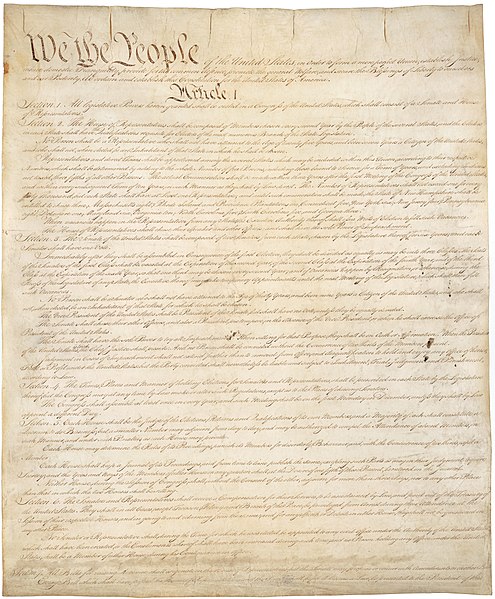
The constitution is the most important law of the United States.

That is what we mean when we say the constitution is the supreme law of the US.

What is the supreme law of the land? –> The Constitution

The Constitution has the idea of self-government in the first three words.

Self-government means a government by the people, of the people, and for the people.

It means we have a democracy, and we elect representatives.

The idea of self-government is in the first three words of the Constitution. What are these words? –> We the people

Before the Constitution, the US didn’t have a clear system. States did not agree about important things like money, the military, or elections.

The Constitution was a plan to set up the government. It explains the system of government.

What does the Constitution do? –> It sets up the government.

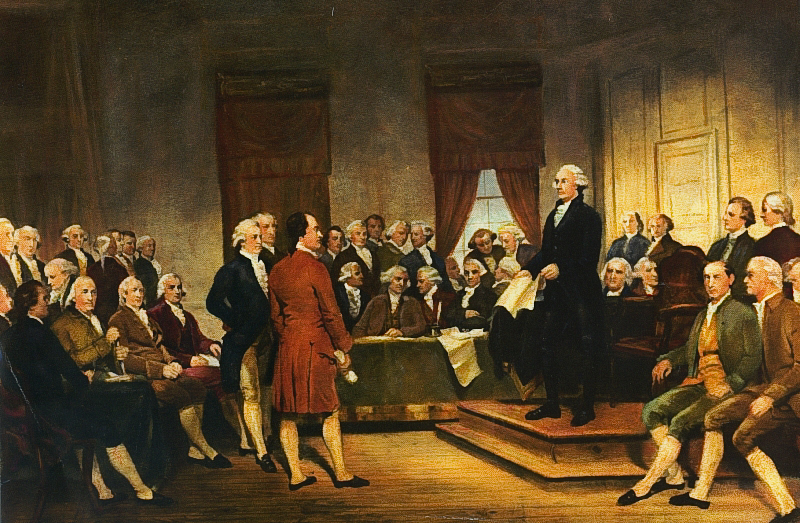
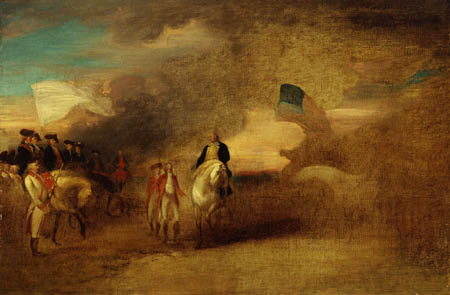
Can you find the famous founding fathers in this painting? Look for: Washington and Franklin.

The founding fathers were leaders who started the United States. They met in 1787 to write a new constitution for the US.

When was the Constitution written? –> 1787

This meeting was called the “Constitutional Convention.” During the Constitutional Convention, the founding fathers wrote the constitution.

We also say that at the Constitutional Convention, the constitution was written.

What happened at the Constitutional Convention? –>The founding fathers wrote the constitution.

After the constitution was written, every state had a vote about it.

Alexander Hamilton wrote the Federalist Papers. They explained why the US needed this constitution.

There is only one question about the Federalist Papers. When you hear “Federalist Papers,” you can think about this song:

The Federalist Papers supported the passage of the U.S. Constitution. Name one of the writers. –> Alexander Hamilton

  1. What is the supreme law of the land?
  2. The idea of self-government is in the first three words of the Constitution. What are these words?
  3. What does the Constitution do?
  4. When was the Constitution written?
  5. What happened at the Constitutional Convention?
  6. The Federalist Papers supported the passage of the U.S. Constitution. Name one of the writers.

Civics: The New United States (Winter 2021)

Review: The Declaration of Independence

  1. When do we celebrate Independence Day?
  2. When was the Declaration of Independence adopted?
  3. What did the Declaration of Independence do?
  4. Who wrote the Declaration of Independence?
  5. What are two rights in the Declaration of Independence?

A new country

The Declaration of Independence said “the United States is free!”

But, Britain still wanted to keep the 13 colonies.

The British military sent more and more soldiers and ships to America.

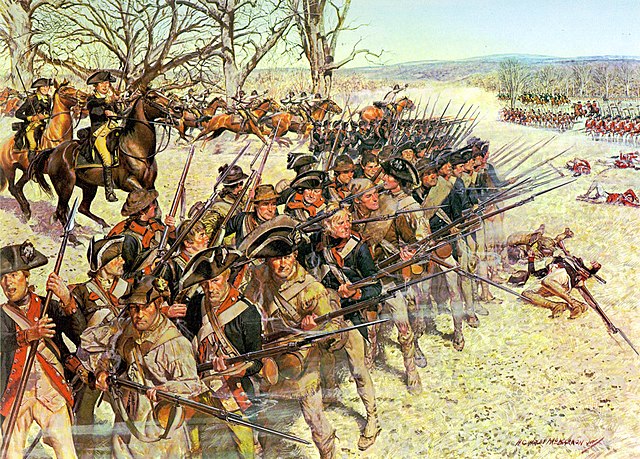
The new United States fought the British military. We call this fight The Revolutionary War.

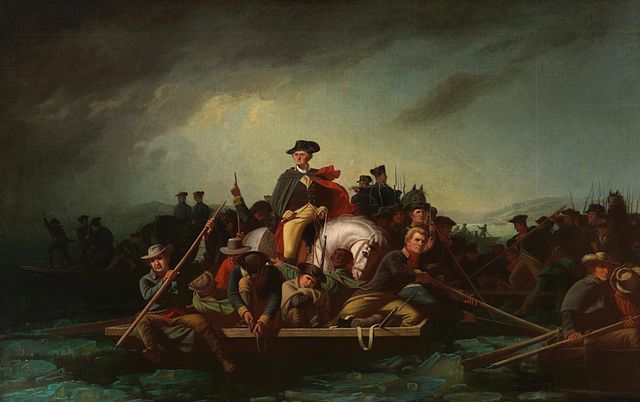
Washington Crossing the Potomac, George Caleb Bingham

George Washington was the military leader for the United States. He was the general of the United States Army.

Washington was a hero and a strong leader during this difficult time. He was very, very popular with Americans.

He helped win the Revolutionary War, and he helped with the Constitutional Convention. We call him “the father of our country.”

Who is the “Father of Our Country”? –> George Washington

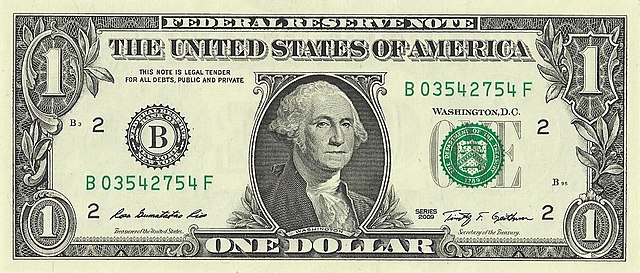
Washington is number one!

George Washington and the new US army fought the British for 8 years.

The US army won the war, and the British left the United States.

After the war, George Washington became the first president.

Who was the first president? –> George Washington

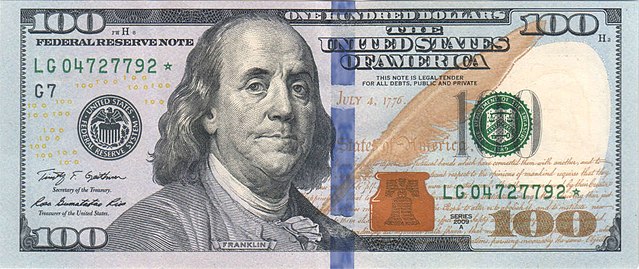
Benjamin Franklin also helped the new United States. He was a U.S. diplomat.

Benjamin Franklin went to France. After that, France helped the US fight the British.

What is one thing Benjamin Franklin is famous for? –> US diplomat

The new country needed new laws, so the leaders wrote the Constitution. We often call these leaders the founding fathers of the United States.

What is the supreme law of the land? –> The Constitution

Can you answer these questions about the new United States?

  1. Who is the “Father of Our Country”?
  2. Who was the first President?*
  3. What is one thing Benjamin Franklin is famous for?
  4. What is the supreme law of the land?

Can you answer the civics questions about this information?

N-400 Part 12: Questions 1-5

Some of the questions on the N-400 are normal questions about your life.

  • Where do you live?
  • Do you have children?
  • What is your current address?

But, the N-400 has some very specific questions about your history. These are questions about taxes, telling the truth, crime, and more. Some questions use very specific legal vocabulary.

These questions are in Part 12 of the N-400, from page 11 to page 16. There are more than 70 questions in Part 12.

The officers usually only ask some of the questions. But, you should be prepared to answer any of them.

So, what should you learn?

  1. Listen to the question, and understand it.
  2. Be ready to answer the question, and practice your answers.
  3. Practice asking “Excuse me” or “Can you explain?”
  4. Learn the meaning of the specific words (vocabulary) in this part.

N-400: Part 12, Questions 1-5

These translations are from Google translate. They may be ok, or they may have some problems. Please let me know!

Have you EVER claimed to be a U.S. citizen (in writing or any other way)?

Yes, I have / No, I haven’t / No, never

¿Alguna vez ha pretendido ser un ciudadano de EE.UU. (por escrito o de cualquier otra forma)?
هل سبق لك أن ادعى أن يكون مواطنا الولايات المتحدة (في الكتابة أو بأي طريقة أخرى)؟
သငျသညျအစဉျအမွဲ (အရေးအသားသို့မဟုတ်အခြားလမ်းအတွက်) အမေရိကန်နိုင်ငံသားဖြစ်အခိုင်အမာပြီလော
你曾经声称自己是美国公民(以书面或其他方式)?
آیا تا به حال ادعا می شود یک شهروند ایالات متحده (در نوشتن و یا هر راه دیگر)؟
Вы когда-либо утверждал, что гражданин США (в письменной форме или любым другим способом)?
Weligaa ma sheegtay inuu yahay muwaadin Maraykanka ah (qoraal ama qaab kale)?
Bạn đã bao giờ tự nhận là một công dân Hoa Kỳ (bằng văn bản hoặc bất kỳ cách nào khác)?
Adakah anda pernah mendakwa menjadi warganegara AS (secara bertulis atau apa-apa cara yang lain)?

Have you EVER registered to vote in any Federal, state, or local election in the United States?

Yes, I have / No, I haven’t / No, never

  • ¿Alguna vez se ha registrado para votar en cualquier ley federal, estatal o local de elecciones en los Estados Unidos?
  • هل سبق لك أن المسجلين للتصويت في أي دولة اتحادية، أو الانتخابات المحلية في الولايات المتحدة؟
  • သငျသညျအစဉျအမွဲအမေရိကန်ပြည်ထောင်စု၌မဆိုဖက်ဒရယ်, ပြည်နယ်သို့မဟုတ်ဒေသဆိုင်ရာရွေးကောက်ပွဲတွင်မဲမှတ်ပုံတင်ပြီလော
  • 你有没有登记投票的任何联邦,州,或在美国地方选举?
  • آیا تا به حال به رای دادن در هر فدرال، ایالتی، و یا انتخابات محلی در ایالات متحده به ثبت نام؟
  • آيا تاسو په هر فدرالي، د بهرنیو چارو، او یا په متحده ایالاتو کې د ځايي ټاکنو د ټاکنو لپاره نوم؟
  • Вы когда-либо зарегистрированных для голосования в любом федеральном, штата или местных выборах в Соединенных Штатах?
  • Weligaa ma ka diiwaan gashan in ay codeeyaan in wax Federaalka, gobolka, ama doorashada degaanka ee Mareykanka?
  • Bạn đã bao giờ đăng ký bỏ phiếu ở bất kỳ liên bang, tiểu bang, hoặc bầu cử địa phương tại Hoa Kỳ?
  • کیا آپ نے کبھی کسی بھی وفاقی، ریاست، یا امریکہ میں مقامی انتخابات میں ووٹ ڈالنے کا اندراج کیا ہے؟

Have you EVER voted in any Federal, state, or local election in the United States?

Yes, I have / No, I haven’t / No, never

  • ¿Alguna vez ha votado en ninguna ley federal, estatal o local de elecciones en los Estados Unidos?
  • هل صوت من أي وقت مضى في أي دولة اتحادية، أو الانتخابات المحلية في الولايات المتحدة؟
  • သငျသညျအစဉျအမွဲအမေရိကန်ပြည်ထောင်စု၌မဆိုဖက်ဒရယ်, ပြည်နယ်သို့မဟုတ်ဒေသဆိုင်ရာရွေးကောက်ပွဲအတွက်မဲပေးရှိပါသလား?
  • 你有没有在任何联邦,州,或在美国地方选举投票?
  • آیا تا به حال در هر فدرال، ایالتی، و یا انتخابات محلی در ایالات متحده رای دادند؟
  • آيا تاسو په هر فدرالي، د بهرنیو چارو، او یا په متحده ایالاتو کې د ځايي ټاکنو د رايه ورکړه؟
  • Вы когда-нибудь голосовали вы в любом федеральном, штата или местных выборах в Соединенных Штатах?
  • Weligaa ma u codeeyay in wax Federaalka, gobolka, ama doorashada degaanka ee Mareykanka?
  • Bạn đã bao giờ bình chọn trong bất kỳ liên bang, tiểu bang, hoặc bầu cử địa phương tại Hoa Kỳ?
  • کیا آپ نے کبھی کسی بھی وفاقی، ریاست، یا امریکہ میں مقامی انتخابات میں ووٹ دیا ہے؟
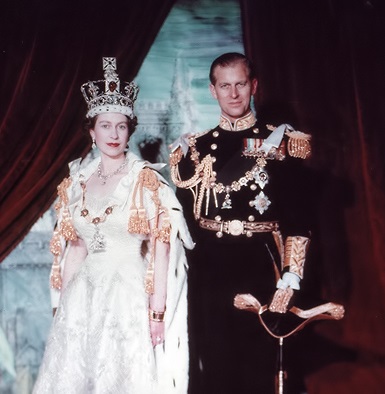
Who are these people?

Do you now have, or did you EVER have, a hereditary title or an order of nobility in any foreign country?

Yes, I do / No, I don’t / No, never

  • ¿Tiene ahora, o ¿Alguna vez tuvo, un título hereditario o una orden de la nobleza en cualquier país extranjero?
  • هل لديك الآن، أو هل لديك أي وقت مضى، وهو لقب وراثي أو أمر من نبل في أي بلد أجنبي؟
  • တစ်မျိုးရိုးလိုက်ခေါင်းစဉ်သို့မဟုတ်မည်သည့်နိုင်ငံခြားတိုင်းပြည်များတွင် nobility ၏အမိန့်ကိုသင်ယခုရှိပါသလော, သို့မဟုတ်သင်အစဉ်အဆက်ရှိခဲ့သလဲ
  • 你现在有,或者你曾经有,一个世袭贵族或在任何外国的订单?
  • آیا شما در حال حاضر، و یا آیا شما تا به حال، یک عنوان ارثی و یا منظور از اشراف در هر کشور خارجی؟
  • آیا تاسو اوس لري، او يا مو تل لري، يوه ميراثي سرليک يا په کوم بهرني هېواد د سرلوړۍ امر؟
  • У вас теперь есть, или вы когда-либо, наследственный титул или порядок благородства в любой другой стране?
  • Ha hadda aad leedahay, ama aad mar uun, horyaalka a dhaxlo ama amar ah oo ku abtirsan in dal kasta shisheeye?
  • Đừng bây giờ bạn có, hoặc bạn đã bao giờ có, một danh hiệu di truyền hoặc một trật tự của giới quý tộc ở bất kỳ nước nào?
  • اب آپ کو ایک موروثی عنوان یا کسی غیر ملک میں شرافت کا ایک حکم ہے، یا اگر آپ نے کبھی ضرورت تھی؟

Have you EVER been declared legally incompetent or been confined to a mental institution?

Yes, I have / No, I haven’t / No, never

  • Alguna vez ha sido declarado legalmente incompetente o ha sido confinado a una institución mental?
  • هل سبق لك أن أعلن غير كفء من الناحية القانونية أو تم حبسه في مصحة عقلية؟
  • သငျသညျအစဉျအမွဲတရားဝင်အရည်အချင်းမပြည့်ကြေညာခဲ့တာတစ်ခုသို့မဟုတ်စိတ်ပိုင်းဆိုင်ရာအဖွဲ့အစည်းမှချုပ်ထားခဲ့တာရှိပါသလား?
  • 你是否曾经被宣布依法不称职或仅限于精神病院?
  • آیا تا به حال اعلام شده است از نظر قانونی بی کفایت و یا به یک موسسه روانی محدود شده است؟
  • آيا تاسو په قانوني توګه بې کفایته اعلان شوي دي او یا د دماغي ارګان پورې محدود شوي دي؟
  • Вы когда-нибудь были объявлены недееспособными или ограничивалась психушку?
  • Weligaa ma lagu dhawaaqey sharci ahaan awoodin ama la egtahay hay’ad dhimirka?
  • Bạn đã bao giờ được công bố không đủ năng lực về mặt pháp lý hoặc được giới hạn trong một bệnh viện tâm thần?
  • کیا آپ نے کبھی قانونی طور پر نااہل قرار دیا گیا ہے یا ایک ذہنی ادارے میں قید کیا گیا؟

Review and Practice

  1. Have you EVER claimed to be a U.S. citizen?
  2. Have you EVER registered to vote in any election in the United States?
  3. Have you EVER voted in any election in the United States?
  4. Do you now have, or did you EVER have, a hereditary title or an order of nobility in any foreign country?
  5. Have you EVER been declared legally incompetent or been confined to a mental institution?

Read, Listen, and Answer

Personal Information Practice #2

Question Review:

  1. What is your name?
  2. Have you ever used any other names?
  3. Do you have children?
  4. When was your last trip outside the United States?

Bonus:

  • Who is the president of the US now?
  • What is the political party of the president now?
  • Who is the vice president of the US now?

N-400 Practice: George Lincoln

Watch and listen to this example interview with an officer and George Lincoln.

  • What questions do you hear?
  • How many times does George say “excuse me” or a similar question?
  • Can you write down all the important numbers?
    • Don’t worry – that’s not a real Social Security Number! 🙂

The United States is Free (Winter 2021, Week 3, Part 2)

Civics and Reading: The United States is free

More and more American colonists wanted a revolution.

Colonists came to America for freedom. But, the colonies were still part of the British Government.

The British Government and the King of England chose the leaders of the colonies. Many colonists wanted to choose their own leaders.

The British Government and the King of England made taxes higher and higher. More and more colonists were unhappy with the government.

More and more American colonists made plans to overthrow the British Government. They fought the British because of high taxes and because they wanted to choose their own leaders.

Why did the colonists fight the British? –> High taxes

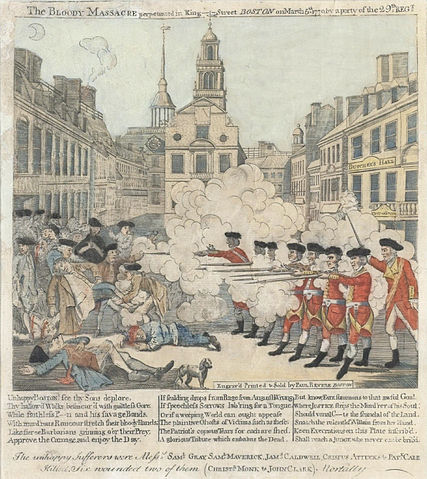
British soldiers fought with people in Boston, 1770. Image by Paul Revere.

Some colonists made a new government to fight the British and make a new country.

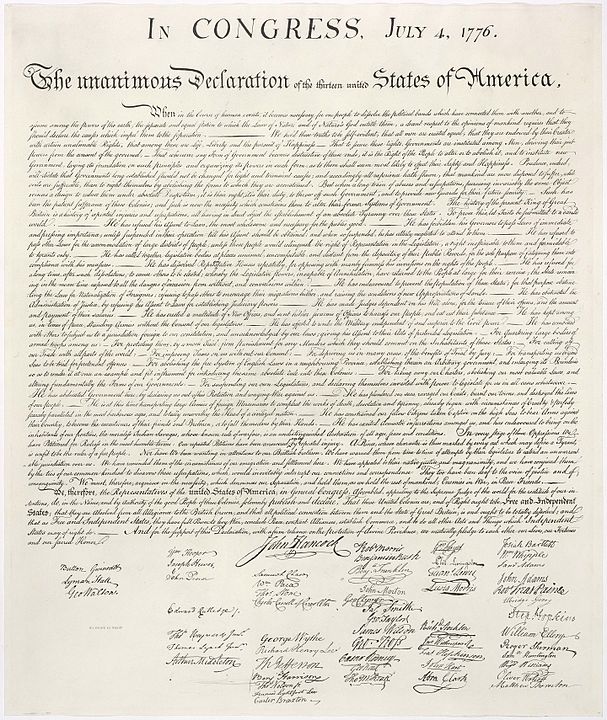
They made the Declaration of Independence. It said that the United States is free.

What did the Declaration of Independence do? –> It said the United States is free

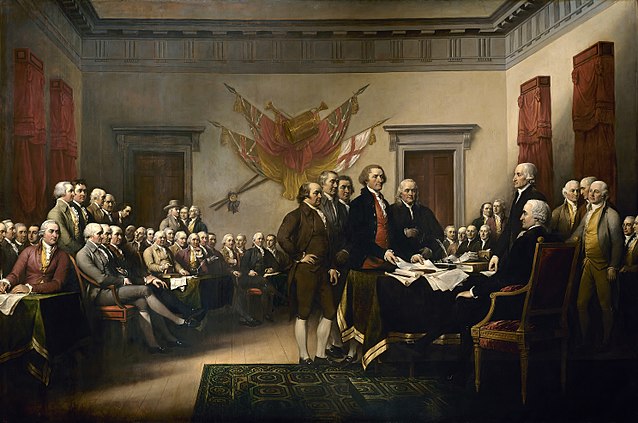
The signing of the Declaration of Independence – Public Domain – Painting by John Trumbull

The Declaration of Independence is a break-up letter with the British government and King of England. It has a list of all the problems with the British government.

It says that all people have the rights of Life, Liberty, and the Pursuit of Happiness. The American colonists said that the British did not give them life or liberty.

What are two rights in the Declaration of Independence? –> Life and Liberty

Many American colonists talked about the ideas in the Declaration of Independence. Thomas Jefferson wrote the Declaration of Independence.

Who wrote the Declaration of Independence? –> Thomas Jefferson

Can you see the date?

The new American congress had a vote to agree with the Declaration of Independence. The Declaration of Independence was adopted on July 4th, 1776.

Be careful: was adopted = in the past, in history, in 1776.

When was the Declaration of Independence adopted? –> July 4th, 1776

That’s why we celebrate Independence Day every July 4th. Be careful: we celebrate = in the present, every year.

When do we celebrate Independence Day?* –> July 4th (July fourth)

Civics Review

  1. Why did the colonists fight the British?
  2. When do we celebrate Independence Day?*
  3. When was the Declaration of Independence adopted?
  4. What did the Declaration of Independence do?
  5. Who wrote the Declaration of Independence?
  6. What are two rights in the Declaration of Independence?

From Tuesday:

  1. Who lived in America before the Europeans arrived?
  2. Name one American Indian tribe in the United States.
  3. What is one reason colonists came to America?
  4. What group of people was taken to America and sold as slaves?
  5. Why does the flag have 13 stripes?
  6. There were 13 original states. Name three.

Personal Questions Review and Example 1

N-400 Questions

  1. What is your full legal name? –> My name is
  2. Where were you born? –> I was born in _______
  3. What is your marital status? Are you single, married, divorced, widowed, or separated?
  4. Do you have any children?
  5. If yes: Where do they live?

Special Event: January 20, 2021

You can watch the inauguration of Joe Biden, 46th president of the United States, on January 20, 2021 at 9 am Pacific time.

Mystery Leaders

Who am I? 😎😎😎

  1. Where were you born?
  2. When were you born?
  3. Are you married?
  4. Do you have children?
  5. What is your phone number?
  6. Where do you work?
  7. Do you belong to any groups or organizations?

N-400 Practice: Antonio Paz

Watch part of Antonio’s interview. What do you think?

Did he do great? Terrible? So-so?

What questions did you hear? Do you hear the most important question?

This is only an example. This is only part of an interview.

Excuse me, can you explain that?

  1. What’s your full legal name?
  2. What is your marital status? Are you married? Single? Divorced? Widowed?
  3. How many times have you been married?
  4. Was your wife born in the US?
  5. Who is your wife’s employer?
  6. Do you have children?
  7. Were they born in the US? / Was she born in the US?
  8. Where do your children live? / Where does your child live?
  9. Have you spent any time outside the United States since you became a permanent resident?