N-400 Part 12: Questions 6-10

Review: Questions 1-5

  1. Have you EVER claimed to be a U.S. citizen?
  2. Have you EVER registered to vote in any election in the United States?
  3. Have you EVER voted in any election in the United States?
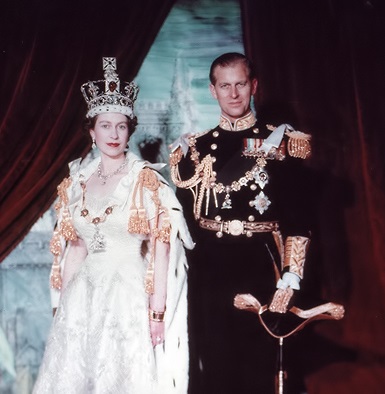
  4. Do you now have, or did you EVER have, a hereditary title or an order of nobility in any foreign country?
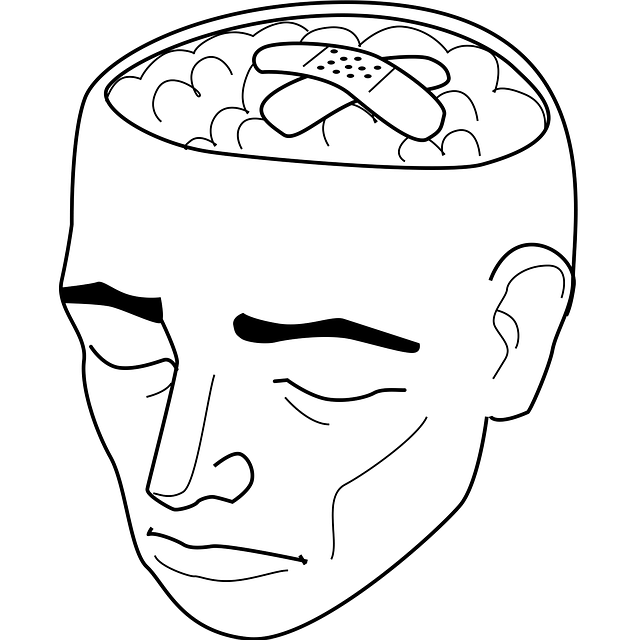
  5. Have you EVER been declared legally incompetent or been confined to a mental institution?

N-400 Vocabulary Practice

N-400 Part 12: Questions 6-10

  1. Do you owe any overdue Federal, state, or local taxes?
  2. Have you EVER not filed a Federal, state, or local tax return since you became a lawful permanent resident?
  3. Have you called yourself a “non-U.S. resident” on a Federal, state, or local tax return since you became a lawful permanent resident?
  4. Have you EVER been a member of any organization?
  5. Have you EVER been a member of, or in any way associated with The Communist Party?
    1. Have you EVER been a member of, or in any way associated with any other totalitarian party?
    2. Have you EVER been a member of, or in any way associated with a terrorist organization?

Do you owe any overdue Federal, state, or local taxes?

Yes, I do / No, I don’t

  • ¿Debe algún impuesto federal, estado o local vencido?
  • هل تدين بأي ضرائب فيدرالية أو ولاية أو محلية؟
  • သငျသညျကြေးဒေသ, ပြည်နယ်သို့မဟုတ်ဒေသန္တရအခွန်အခများကြွေးပါသလား
  • 您是否欠任何过期的联邦,州或地方税?
  • Vous devez des impôts fédéraux, étatiques ou locaux en retard?
  • Adakah anda berhutang cukai persekutuan, negeri, atau tempatan yang tertunggak?
  • آیا شما هر گونه مالیات فدرال، ایالتی و یا محلی را به دست می آورید؟
  • ایا تاسو د کوم فدرالي، دولت، یا محلي مالیاتو پوروړی یاست؟
  • Вы должны просроченные федеральные, государственные или местные налоги?
  • Miyaad leedahay wax la soo dhaafay ee wax la soo dhaafay, gobolka, ama cashuurta maxalliga ah?
  • Bạn có nợ bất kỳ thuế liên bang, tiểu bang hoặc thuế cục bộ không?

Have you EVER not filed a Federal, state, or local tax return since you became a lawful permanent resident? / Have you ever failed to file your taxes?

Yes, I have / No, I haven’t / No, never

  • ¿Alguna vez no ha presentado una declaración de impuestos federales, estatales o locales desde que se convirtió en un residente permanente legal?
  • هل سبق لك أن قدمت الإقرار الضريبي الفيدرالي أو الولاية أو المحلية منذ أن أصبحت مقيما دائما قانوني؟
  • သင်တရားမ 0 င်သောနေထိုင်သူဖြစ်လာသောအခါဖက်ဒရယ်, ပြည်နယ်သို့မဟုတ်ဒေသန္တရအခွန်ရှင်းတမ်းကိုသင်တင်သွင်းခြင်းမပြုပါသလော။
  • 您是否曾未提交联邦,州或地方纳税申报表以来,您成为合法的永久居民?
  • Avez-vous déjà déposé une déclaration de revenus fédérale, nationale ou locale depuis que vous êtes devenu un résident permanent légal?
  • Pernahkah anda tidak memfailkan pulangan cukai persekutuan, negeri, atau tempatan kerana anda menjadi pemastautin tetap yang sah?
  • آیا تا به حال یک مالیات فدرال، ایالتی یا محلی را ثبت نکرده اید، زیرا شما به یک اقامت دائم قانونی تبدیل شده اید؟
  • ایا تاسو کله هم د هغه وخت فدرالي، دولتي، یا محلي مالیه بیرته نه لیږلې ځکه چې تاسو قانوني دایمي اوسیدونکي شو؟
  • Вы когда-нибудь не подали федеральное, государственное или местную налоговую декларацию, поскольку вы стали законным постоянным резидентом?
  • Weligaa ma xallin federaal, dowlad goboleed, ama canshuur celin maxalli ah maadaama aad noqotay degane rasmi ah oo sharci ah?
  • Bạn đã bao giờ không nộp tờ khai thuế liên bang, tiểu bang hoặc địa phương kể từ khi bạn trở thành thường trú nhân hợp pháp?

Have you called yourself a “non-U.S. resident” on a Federal, state, or local tax return since you became a lawful permanent resident?

Yes, I have / No, I haven’t / No, never

  • ¿Te has llamado a ti mismo un “residente de los no usanos” en una declaración de impuestos federales, estatales o locales desde que se convirtió en un residente permanente legal?
  • هل اتصلت بنفسك ب “غير الولايات المتحدة. مقيم” على الإقرار الضريبي الفيدرالي أو الولاية أو المحلية لأنك أصبحت مقيم دائم قانوني؟
  • သင်ကိုယ်တိုင်ဖက်ဒရယ်, ပြည်နယ်သို့မဟုတ်ဒေသန္တရအခွန်ရှင်းတမ်းတွင်သင်ကိုယ်တိုင် “Non-u.s ။ နေထိုင်သူ” ဟုခေါ်ဖူးပါသလား။
  • 您是否在联邦,州或地方纳税申报表上叫做自己的“非U.居民”。
  • Avez-vous appelé vous-même un “non-U.S. Résident” sur une déclaration de revenus fédérale, nationale ou locale depuis que vous êtes devenu un résident permanent légal?
  • Adakah anda memanggil diri anda sebagai “bukan A.S, pemastautin” pada pulangan cukai persekutuan, negeri, atau tempatan kerana anda menjadi pemastautin tetap yang sah?
  • آیا از زمانی که مقیم دائم قانونی شده اید، در اظهارنامه مالیاتی فدرال، ایالتی یا محلی خود را “غیر مقیم ایالات متحده” نامیده اید؟
  • ایا تاسو خپل ځان د “غیر متحده ایالاتو ته زنګ ووهئ. د” اوسیدونکي، په فدرالي، دولتي، یا محلي مالیه بدلونکي چې تاسو قانوني دایمي اوسیدونکي شو؟
  • Вы назвали себя «не-U». Житель “на федеральном, штате или местной налоговой декларации, поскольку вы стали законным постоянным резидентом?
  • Ma u yeedhay naftaada “non-U.s. Degane” ee federaal, dowlad goboleed, ama canshuur celin maxalli ah tan iyo markii aad noqotay degane rasmi ah oo rasmi ah?
  • Bạn đã tự gọi mình là “cư dân” không phải là U.S “trên tờ khai thuế liên bang, tiểu bang hoặc địa phương kể từ khi bạn trở thành một thường trú nhân hợp pháp?

Have you EVER been a member of, involved in, or in any way associated with, any organization, association, fund, foundation, party, club, society, or similar group in the United States or in any other location in the world?

Yes, I have / No, I haven’t / No, never

  • ¿Alguna vez ha sido miembro de, involucrado, o de alguna manera asociado, cualquier organización, asociación, fondo, fundación, fiesta, club, sociedad o grupo similar en los Estados Unidos o en cualquier otro lugar del mundo?
  • هل سبق لك أن كنت عضوا في أو إشراكها، أو بأي حال من الأحوال، أي منظمة أو جمعية أو صندوق أو مؤسسة أو حزب أو نادي أو مجتمع أو مجموعة مماثلة في الولايات المتحدة أو في أي مكان آخر في العالم؟
  • မည်သည့်အဖွဲ့အစည်း, ရန်ပုံငွေ, ရန်ပုံငွေ, ဖောင်ဒေးရှင်း, ပါတီ, ကလပ်, အသင်း,
  • 您是否曾经是与美国或美国任何其他地区或世界上任何其他地点相关的,任何组织,协会,基金,基金会,党,俱乐部,社会或类似群体的成员。
  • Avez-vous déjà été membre de, impliqué dans ou de quelque manière que ce soit, ou de quelque manière que ce soit, toute organisation, association, fonds, fondation, partie, club, société ou groupe similaire aux États-Unis ou à tout autre endroit dans le monde?
  • Pernahkah anda menjadi ahli, yang terlibat dalam, atau dengan apa-apa cara yang berkaitan dengan, mana-mana organisasi, persatuan, dana, yayasan, parti, kelab, masyarakat, atau kumpulan yang sama di Amerika Syarikat atau di mana-mana lokasi lain di dunia?
  • آیا تا به حال عضو، درگیر، یا به هیچ وجه در ارتباط با هر سازمان، انجمن، انجمن، صندوق، بنیاد، حزب، باشگاه، جامعه یا گروه مشابه در ایالات متحده یا در هر مکان دیگری در جهان بوده اید؟
  • ایا تاسو کله هم د یو غړی، یا په هیڅ ډول د سره تړاو لرئ، یا په متحده ایالاتو کې یا په نړۍ کې کوم بل موقعیت یا ورته ګروپ یا ورته ګروپ دی؟
  • Вы когда-либо были членом, вовлечены в вовлечение или любым способом, связанным с любой организацией, ассоциацией, фондом, фондом, основой, партией, клубом, обществом или аналогичной группой в Соединенных Штатах или в любом другом месте в мире?
  • Weligaa xubin ka ahayd, ku lug lahaa, ama si kasta oo la xidhiidha, urur kasta, urur, hay’ad, urur, bulsho, miyuusan yahay koox kale oo ku nool Mareykanka ama meel kale oo adduunka ah?
  • Bạn đã bao giờ là thành viên của, tham gia, hoặc theo bất kỳ cách nào liên quan đến, bất kỳ tổ chức, hiệp hội, quỹ, nền tảng, tiệc tùng, câu lạc bộ, xã hội hoặc nhóm tương tự ở Hoa Kỳ hay ở bất kỳ địa điểm nào khác trên thế giới?

Have you EVER been a member of, or in any way associated with The Communist Party?

Yes, I have / No, I haven’t / No, never

  • ¿Alguna vez ha sido miembro de, o de alguna manera asociado (directa o indirectamente) con el Partido Comunista?
  • هل سبق لك أن كنت عضوا في أو بأي شكل من الأشكال (إما بشكل مباشر أو غير مباشر) بالحزب الشيوعي؟
  • ကွန်မြူနစ်ပါတီနဲ့ (တိုက်ရိုက်ဖြစ်စေ, သွယ်ဝိုက်သို့မဟုတ်သွယ်ဝိုက်) နှင့်ဆက်စပ်သောမည်သည့်နည်းဖြင့်မဆိုအဖွဲ့ဝင်တစ် ဦး ဖြစ်ဖူးပါသလား။
  • 您是否曾与共产党联系过(直接或间接)的成员?
  • Avez-vous déjà été membre de, ou de quelque manière que ce soit (directement ou indirectement) avec le parti communiste?
  • Pernahkah anda menjadi ahli, atau dengan apa-apa cara yang berkaitan (sama ada secara langsung atau tidak langsung) dengan Parti Komunis?
  • آیا تا به حال عضو یا به طور مستقیم یا به طور مستقیم یا غیر مستقیم) با حزب کمونیست بوده اید؟
  • ایا تاسو کله هم د کمونیسټ ګوند سره (یا په مستقیم یا غیر مستقیم ډول) غړی یاست؟
  • Вы когда-нибудь были членом или любым способом связанным (прямо или косвенно) с Коммунистической партией?
  • Weligaa ma xubin ka ahayd, ama si kasta oo la xidhiidha (si toos ah ama si aan toos ahayn ama si aan toos ahayn) ee xisbiga shuuciga ah?
  • Bạn đã bao giờ là thành viên của, hoặc theo bất kỳ cách nào liên quan (trực tiếp hoặc gián tiếp) với Đảng Cộng sản?

Have you EVER been a member of, or in any way associated with any other totalitarian party?

Yes, I have / No, I haven’t / No, never

  • ¿Alguna vez ha sido miembro de, o de alguna manera asociado (directa o indirectamente) con cualquier otra parte totalitaria?
  • هل سبق لك أن كنت عضوا في أو بأي شكل من الأشكال (إما بشكل مباشر أو غير مباشر) مع أي حزب شمولي آخر؟
  • အခြားမည်သည့်မဲဆန္ဒရှင်များနှင့်မည်သည့်နည်းဖြင့်မဆို (တိုက်ရိုက်ဖြစ်စေတိုက်ရိုက်ဖြစ်စေသွယ်ဝိုက်။ ဖြစ်စေ) မည်သည့်နည်းဖြင့်မဆိုအဖွဲ့ဝင်တစ် ဦး ဖြစ်ဖူးပါသလား။
  • 您是否曾与任何其他极权党联系过(直接或间接)的成员,或以任何方式
  • Avez-vous déjà été membre de ou de quelque manière que ce soit (directement ou indirectement) avec une autre partie totalitaire?
  • Pernahkah anda menjadi ahli, atau dengan cara yang berkaitan (sama ada secara langsung atau tidak langsung) dengan mana-mana pihak totalitarian yang lain?
  • آیا تا به حال عضو یا به طور مستقیم یا به طور مستقیم یا غیر مستقیم) با هر حزب توتالیتر دیگر؟
  • ایا تاسو کله هم یو غړی یاست، یا په مستقیم ډول یا غیر مستقیم یا غیر مستقیم ډول) په هرصورت، په هرصورت
  • Вы когда-нибудь были членом, или любым способом связанным (прямо или косвенно) с любой другой тоталитарной стороной?
  • Weligaa ma xubin ka ahayd, mise si kasta oo la xidhiidha (si toos ah ama si aan toos ahayn ama si aan toos ahayn) oo leh xisbi kale oo kale oo kale?
  • Bạn đã bao giờ là một thành viên của, hoặc theo bất kỳ cách nào liên quan (trực tiếp hoặc gián tiếp) với bất kỳ bên nào khác?

Have you EVER been a member of, or in any way associated with a terrorist organization?
Yes, I have / No, I haven’t / No, never

  • ¿Alguna vez ha sido miembro de, o de alguna manera asociado (directa o indirectamente) con una organización terrorista?
  • هل سبق لك أن كنت عضوا في أو بأي حال من الأحوال (إما بشكل مباشر أو غير مباشر) مع منظمة إرهابية؟
  • အကြမ်းဖက်အဖွဲ့အစည်းတစ်ခုနှင့် (တိုက်ရိုက်ဖြစ်စေ,
  • 您是否曾与恐怖组织联系过(直接或间接)的成员,或以任何方式(直接或间接地)?
  • Avez-vous déjà été membre de, ou de quelque manière qu’elles associées (directement ou indirectement) avec une organisation terroriste?
  • Pernahkah anda menjadi ahli, atau dengan apa cara yang berkaitan (sama ada secara langsung atau tidak langsung) dengan organisasi pengganas?
  • آیا تا به حال عضو یا به طور مستقیم یا به طور مستقیم یا غیر مستقیم) با یک سازمان تروریستی بوده اید؟
  • ایا تاسو کله هم د تروریستي سازمان سره (یا په مستقیم یا غیر مستقیم ډول) غړی یاست؟
  • Вы когда-нибудь являетесь членом или любым способом связанным (прямо или косвенно) с террористической организацией?
  • Weligaa ma xubin ka ahayd, ama si kasta oo la xidhiidha (si toos ah ama si aan toos ahayn ama si aan toos ahayn) urur argagixiso?
  • Bạn đã bao giờ là thành viên của, hoặc theo bất kỳ cách nào liên quan (trực tiếp hoặc gián tiếp) với một tổ chức khủng bố?

Review

Do you owe any overdue Federal, state, or local taxes?Have you EVER not filed a Federal, state, or local tax return since you became a lawful permanent resident?Have you called yourself a “non-U.S. resident” on a Federal, state, or local tax return since you became a lawful permanent resident?Have you EVER been a member of any organization?Have you EVER been a member of, or in any way associated with The Communist Party?

  1. Have you EVER been a member of, or in any way associated with any other totalitarian party?
  2. Have you EVER been a member of, or in any way associated with a terrorist organization?

N-400 Part 12: Questions 1-5

These translations are from Google translate. They may be ok, or they may have some problems. Please let me know!

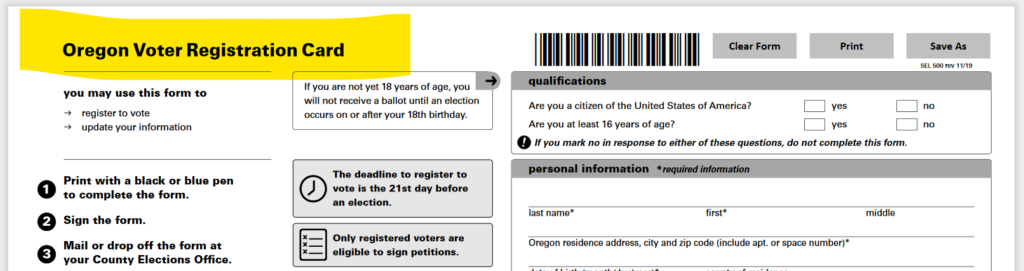
This picture is from the Oregon Voter Registration form. Voting is one right that is only for citizens.

Have you EVER claimed to be a U.S. citizen (in writing or any other way)?

Yes, I have / No, I haven’t / No, never

  • ¿Alguna vez has afirmado ser un ciudadano de los Estados Unidos por escrito o de alguna otra manera?
  • هل سبق أن ادعت أنه مواطن أمريك في الكتابة أو بأي طريقة أخرى؟
  • သင်ကယူအက်စ်နိုင်ငံသားအဖြစ်အရေးအသားဖြစ်စေ, အခြားမည်သည့်နည်းဖြင့်ပြောခဲ့ဖူးပါသလား။
  • 你有没有声称是以书面或其他方式成为美国公民?
  • Avez-vous déjà prétendu être un citoyen américain par écrit ou une autre manière?
  • Pernahkah anda mendakwa sebagai warganegara A.S. secara bertulis atau cara lain?
  • آیا تا به حال مدعی شده اید که شهروند ایالات متحده هستید یا به روشی دیگر؟
  • ایا تاسو کله هم په لیکلو یا کوم بل لاره کې د متحده ایالاتو لپاره د متحده ایالاتو لپاره ادعا کوئ؟
  • Вы когда-либо заявили, чтобы быть гражданином США в письменном виде или в любой другой путь?
  • Weligaa ma sheegtay inaad tahay muwaadin U.S. qoraal ahaan ama wax kale?
  • Bạn đã bao giờ tuyên bố là một công dân Hoa Kỳ bằng văn bản hay bất kỳ cách nào khác?

Have you EVER registered to vote in any Federal, state, or local election in the United States?

Yes, I have / No, I haven’t / No, never

  • ¿Alguna vez se ha registrado para votar en cualquier elección federal, estatal o local en los Estados Unidos?
  • هل سبق لك أن سجلت للتصويت في أي انتخابات فدرالية أو دولة أو محلية في الولايات المتحدة؟
  • ယူနိုက်တက်စတိတ်တွင်မည်သည့်ဖက်ဒရယ်, ပြည်နယ်, ပြည်နယ်သို့မဟုတ်ဒေသရွေးကောက်ပွဲတွင်မဲပေးရန်သင်မှတ်ပုံတင်ထားဖူးပါသလား။
  • 您是否曾在美国的任何联邦,州或地方选举中投票?
  • Avez-vous déjà enregistré pour voter dans des élections fédérales, étatiques ou locales aux États-Unis?
  • Pernahkah anda mendaftar untuk mengundi di mana-mana persekutuan, negeri, atau pilihan raya tempatan di Amerika Syarikat?
  • آیا تا به حال برای رای دادن در انتخابات فدرال، ایالتی یا محلی در ایالات متحده ثبت نام کرده اید؟
  • ایا تاسو کله هم په متحده ایالاتو کې په هر فدرالي، دولتي، یا ځایی ټاکنو کې د رایې ورکولو لپاره نوم لیکنه کړې؟
  • Вы когда-либо зарегистрировались, чтобы проголосовать в любых федеральных, государственных или местных выборах в Соединенных Штатах?
  • Miyaad weligaa iska diiwaan gashatay inaad ka codbixiso federaal kasta oo federaal ah, dowlad goboleed, ama doorashada maxalliga ah ee Mareykanka?
  • Bạn đã bao giờ đăng ký bỏ phiếu trong bất kỳ cuộc bầu cử liên bang, tiểu bang hoặc địa phương tại Hoa Kỳ chưa?

Have you EVER voted in any Federal, state, or local election in the United States?

Yes, I have / No, I haven’t / No, never

  • ¿Alguna vez ha votado en cualquier elección federal, estatal o local en los Estados Unidos?
  • هل سبق لك أن صوتت في أي انتخابات فدرالية أو دولة أو محلية في الولايات المتحدة؟
  • ယူနိုက်တက်စတိတ်တွင်မည်သည့်ဖက်ဒရယ်, ပြည်နယ်သို့မဟုတ်ဒေသရွေးကောက်ပွဲတွင်မဆိုသင်မဲပေးဖူးပါသလား။
  • 您有没有投票在美国的任何联邦,州或当地选举中?
  • Avez-vous déjà voté dans des élections fédérales, étatiques ou locales aux États-Unis?
  • Pernahkah anda mengundi di mana-mana persekutuan, negeri, atau pilihan raya tempatan di Amerika Syarikat?
  • آیا تا به حال در انتخابات فدرال، ایالتی یا محلی در ایالات متحده رای دادید؟
  • ایا تاسو کله هم په متحده ایالاتو کې په هر فکسري، دولتي، یا ځایی ټاکنو کې رایه ورکړې؟
  • Вы когда-нибудь проголосовали в любых федеральных, государственных или местных выборах в Соединенных Штатах?
  • Weligaa ma u codsatay in gobol kasta oo federaal ah, dowlad goboleed, ama doorashada maxalliga ah ee Mareykanka?
  • Bạn đã bao giờ bỏ phiếu trong bất kỳ cuộc bầu cử liên bang, tiểu bang hoặc địa phương tại Hoa Kỳ?
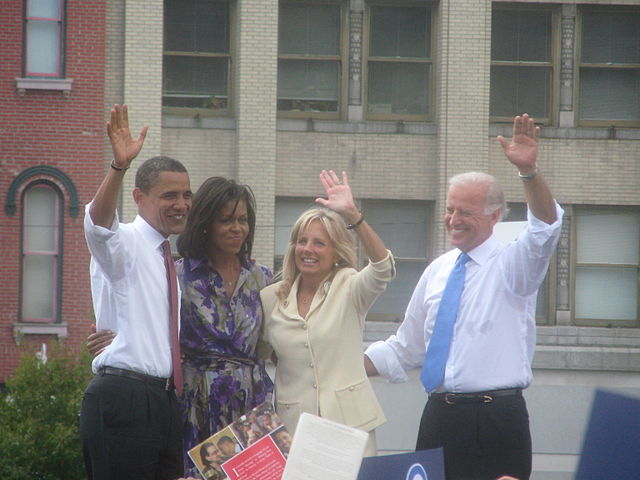
Who are these people?

Do you now have, or did you EVER have, a hereditary title or an order of nobility in any foreign country?

Yes, I do / No, I don’t / No, never

  • ¿Tienes ahora, o alguna vez lo has hecho, un título hereditario o un orden de nobleza en cualquier país extranjero?
  • هل لديك الآن، أو هل سبق لك أن حصلت على لقب وراثي أو أمر من النبلاء في أي بلد أجنبي؟
  • ယခုသင်၌ရှိသလော, သို့မဟုတ်မည်သည့်နိုင်ငံခြားတိုင်းပြည်တွင်မဆိုမျိုးရိုးလိုက်ခေါင်းစဉ်တစ်ခု,
  • 你现在拥有,还是在任何外国都有,遗传般的冠军头衔或贵族的秩序?
  • Avez-vous maintenant ou avez-vous déjà eu un titre héréditaire ou un ordre de noblesse dans un pays étranger?
  • Adakah anda sekarang, atau adakah anda ada, gelaran keturunan atau perintah bangsawan di mana-mana negara asing?
  • آیا شما در حال حاضر، یا آیا تا به حال، یک عنوان ارثی یا دستور نجیب در هر کشور خارجی دارید؟
  • ایا تاسو اوس لرئ، یا تاسو کله هم درلودل، د میراثي سرلیک یا په کوم بهرني هیواد کې د شهرت حکم لرئ؟
  • У вас сейчас есть, или у вас когда-либо имел, наследственный титул или порядок благородства в любой другой стране?
  • Hadda miyaad haysataa, mise weligaa miyaad haysataa, cinwaan dhaxal ah ama amar ku saabsan dadka ajnabiga ah?
  • Bây giờ bạn có, hoặc bạn đã bao giờ có một tiêu đề di truyền hoặc một trật tự quý tộc ở bất kỳ nước ngoài nào?

Have you EVER been declared legally incompetent or been confined to a mental institution?

Yes, I have / No, I haven’t / No, never

  • ¿Alguna vez ha sido declarado legalmente incompetente o ha sido confinado a una institución mental?
  • هل سبق لك أن أعلنت غير كفؤة قانونيا أو قد اقتصرت على مؤسسة عقلية؟
  • သင်တရားဝင်အရည်အချင်းမပြည့်မှီသောသို့မဟုတ်စိတ်ပိုင်းဆိုင်ရာအဖွဲ့အစည်းတစ်ခုတွင်ချုပ်နှောင်ထားဖူးပါသလား။
  • 您是否曾在合法的无能或被限制在心理学机构?
  • Avez-vous déjà été déclaré légalement incompétent ou vous avez été confiné à une institution mentale?
  • Pernahkah anda diisytiharkan tidak cekap atau terkurung di institusi mental?
  • آیا تا به حال به طور قانونی بی عدالتی اعلام شده یا به یک نهاد ذهنی محدود شده اید؟
  • ایا تاسو کله هم په قانوني ډول غیر معمولي اعلان شوي یا په رواني اداره کې محدوذ شوی یاست؟
  • Вы когда-нибудь были объявлены юридически некомпетентными или были ограничены психическими учреждениями?
  • Weligaa ma lagugu dhawaaqay sharci ahaan aan ku kalsoonayn ama lagu xayiran machadka maskaxda?
  • Bạn đã bao giờ được tuyên bố bất tài về mặt pháp lý hoặc bị giới hạn trong một tổ chức tâm thần?

Review and Practice

  1. Have you EVER claimed to be a U.S. citizen?
  2. Have you EVER registered to vote in any election in the United States?
  3. Have you EVER voted in any election in the United States?
  4. Do you now have, or did you EVER have, a hereditary title or an order of nobility in any foreign country?
  5. Have you EVER been declared legally incompetent or been confined to a mental institution?

Read, Listen, and Answer

North, South, East, and West

Review: Current Leaders

Reading+Civics: Places

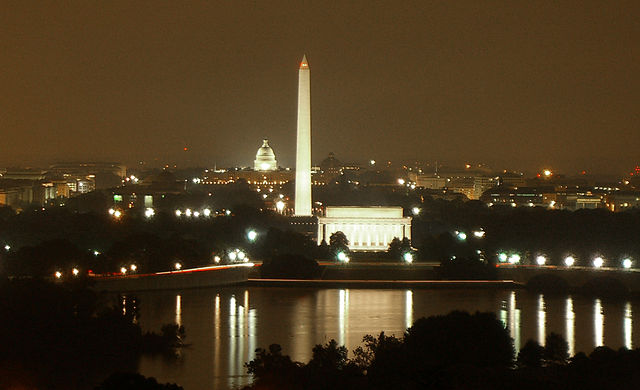
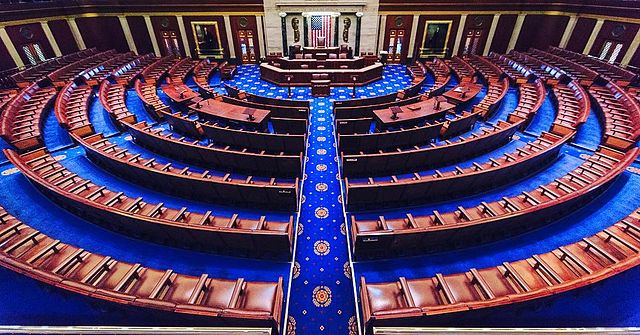
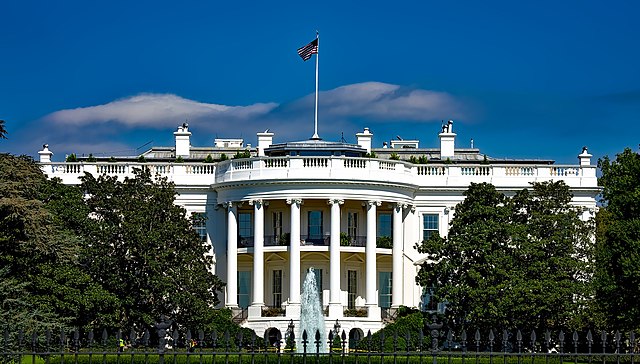
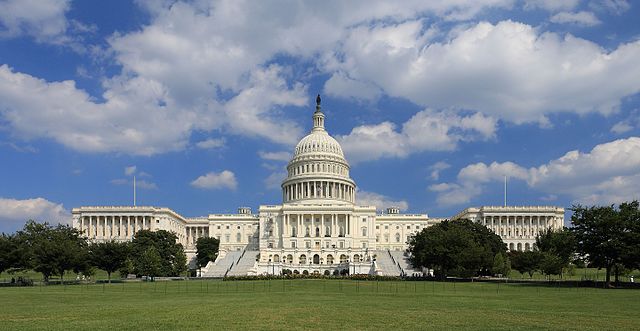
Where is this? How do you know?

The federal government meets in Washington, D.C.

It is the home of Congress, the President, and the Supreme Court.

What is the capital of the United States? –> Washington, D.C.

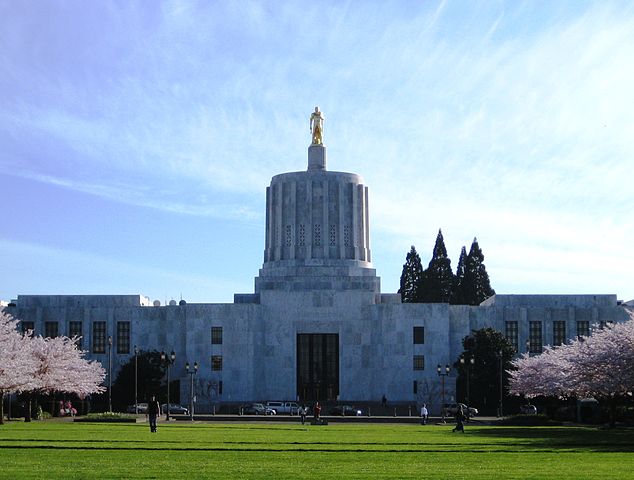
This is the Oregon capital building.

Every state has a capital, too. Oregon’s capital is Salem.

It is the home of the governor, the state congress, and the state supreme court.

What is the capital of your state? –> Salem (Oregon), Olympia (Washington)

The United States has two coasts where the ocean borders the country.

Oregon, Washington, and California are next to the Pacific Ocean.

We can drive and visit the Pacific Ocean on the West Coast.

(100) What ocean is on the West Coast of the United States? –> The Pacific

The Atlantic Ocean is on the East Coast of the United States. It is too far away from us!

(100) What ocean is on the East Coast of the United States? –> The Atlantic

The United States borders Canada. That means the US is next to Canada.

Canada is to the north of the United States. Many states border Canada.

Washington is one example of a state that borders Canada.

(100) Name one state that borders Canada. –> Washington

The United States also borders Mexico.

Mexico is to the South of the United States.

4 states border Mexico. California is one state that borders Mexico.

(100) Name one state that borders Mexico. –> California

Citizenship Steps: From the Application to the Oath

Citizenship Process

  1. Have you filled out the N-400?
    1. Yes I have / No I haven’t
  2. Have you sent the N-400?
  3. Have you gotten the receipt of the N-400?
  4. Have you gotten an appointment for biometrics?
  5. Have you gone to the USCIS office for biometrics?
  6. Have you gotten an appointment for your interview?
  7. Have you gone to the USCIS office for an interview?
  8. Have you taken the oath of citizenship?

US and Oregon Leaders

Reading and Civics: Leaders

Congress has two parts: the Senate and the House.

The leader of the House of Representatives is called the Speaker of the House.

Right now, the Speaker of the House is Mike Johnson.

He is a Republican. Mike Johnson became Speaker of the House in October 2023.

What is the name of the Speaker of the House now? –> Mike Johnson

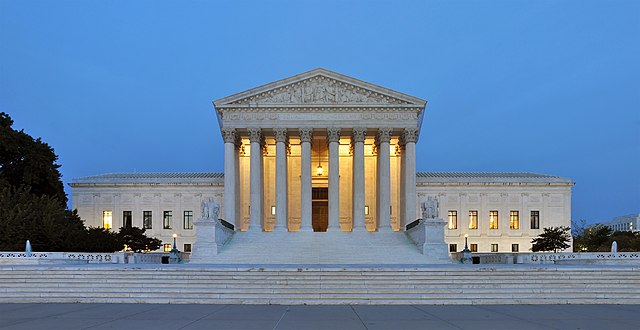
The highest court in the United States is the Supreme Court.

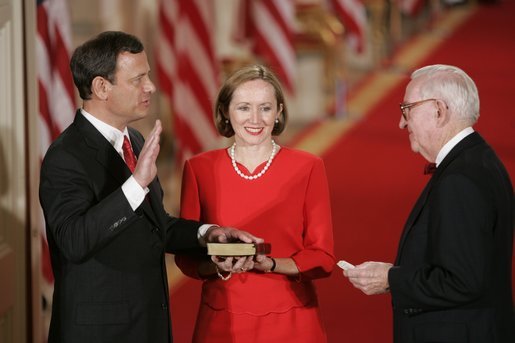
The leader of the Supreme Court is called the Chief Justice.

Swearing in of Supreme Court Chief Justice John Roberts.

Right now, the Chief Justice of the Supreme Court is John Roberts.

Who is the Chief Justice of the United States now? –> John Roberts

The leader of the federal government is the president.

The leader of a state is called the governor. In most states, we elect a governor for 4 years.

Extra information: In Vermont and New Hampshire, they elect a governor for only 2 years.

You need to know the governor of your state. Right now, the governor of Oregon is Tina Kotek. In Washington state, the governor is Bob Ferguson.

Who is the Governor of your state now? –> Tina Kotek (Oregon)

Who is the Governor of your state now? –> Bob Ferguson (Washington)

Every state has two senators who go to Washington D.C. They work in the Senate.

Senators work for all of the people in the state. You need to know at least one of the names of your state’s senators.

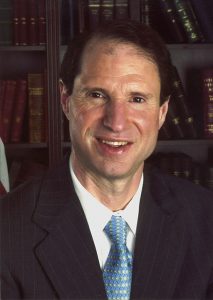
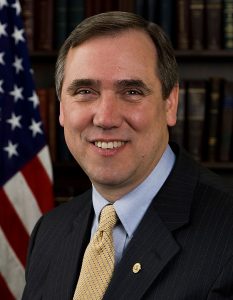
Oregon’s senators are Ron Wyden and Jeff Merkley.

Washington’s senators are Patty Murray and Maria Cantwell.

Who is one of your state’s US Senators now? –> Ron Wyden or Jeff Merkley (Oregon) –> Patty Murray or Maria Cantwell (Washington)

Each state also has representatives in the House of Representatives.

Some states have more representatives because they have more people. For example, Oregon has 6 representatives. But, Washington state has 10 representatives.

If you don’t know who your representative is, you can check using your zip code or address on the US House website.

The representative for Portland, Gresham, and some other places is Maxine Dexter.

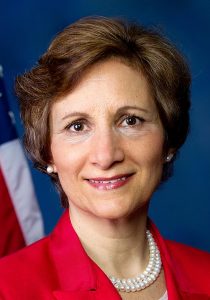
The representative for Beaverton and Washington County in Oregon is Suzanne Bonamici.

The representative for Clackamas and some other parts of Oregon is Janelle Bynum

The representative for Salem, Woodburn, Tigard, Tualatin, and some other parts of Oregon is Andrea Salinas.

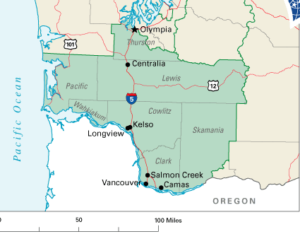
If you live in Southwest Washington state, your representative is probably Marie Gluesenkamp Pérez. She works for people in Vancouver, Longview, and other parts of Southwest Washington.

Name your US Representative. –> Maxine Dexter / Dexter (Portland), Suzanne Bonamici / Bonamici (Beaverton and Washington County), Janelle Bynum/ Bynum (Clackamas) Andrea Salinas /Salinas (Lake Oswego, Wilsonville, and farther south), Marie Gluesenkamp Pérez / Gluesenkamp Perez (Southwest Washington)

The United States is a democracy. This means every person has a voice, and every citizen has a vote.

American citizens can do many things to be part of our democracy. They can participate in many ways.

For example, citizens can vote for leaders they like. In Oregon and Washington, citizens can also vote on new laws for the state.

Another way Americans can participate is calling or emailing your representative.

When you call your representative, you can tell them your opinion about important things. A good representative will listen to the people.

A bad representative will not get your votes in the next election. 🙂

(100 Q Civics) What are 2 ways that Americans can participate in their democracy? –> Vote and Call your Representative / Join a political party

(128 Q Civics) What are two examples of civic participation in the United States? –> Vote and Call your representative / Join a political party

Civics Review

  1. What is the capital of the United States?*
  2. What is the capital of your state?*
  3. What is the name of the President of the United States now?*
  4. What is the political party of the President now?
  5. What is the name of the Vice President of the United States now?
  6. What is the name of the Speaker of the House of Representatives now?
  7. Who is the Chief Justice of the United States now?
  8. Who is the Governor of your state now?
  9. Who is one of your state’s U.S. Senators now?*
  10. Name your U.S. Representative.
  11. What are two ways that Americans can participate in their democracy?

US History, 1950 to 2001 – spring 21

Civics + Reading

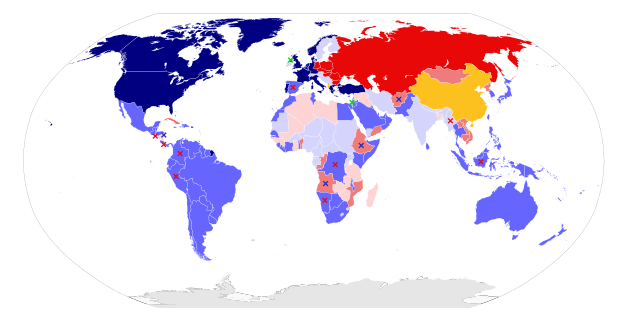
Capitalist and Communist Countries, 1980

After World War 2, the United States government was worried about the Soviet Union and Communism. This time is called “The Cold War.”

Communism means that the government owns almost everything. People cannot own property.

Communism is a different form of government than the US. The US has democracy and a market economy.

During the Cold War, the communist countries and capitalist countries fought to control the world.

The United States and Soviet Union did not fight directly, so we call it a “cold” war. The Soviet Union broke up in 1991.

During the Cold War, what was the main concern of the United States? –> Communism

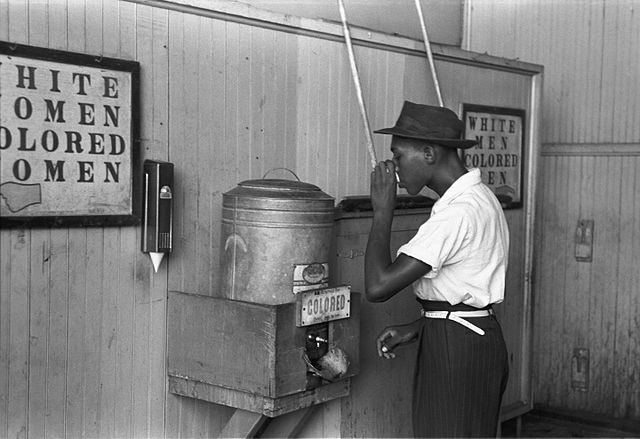
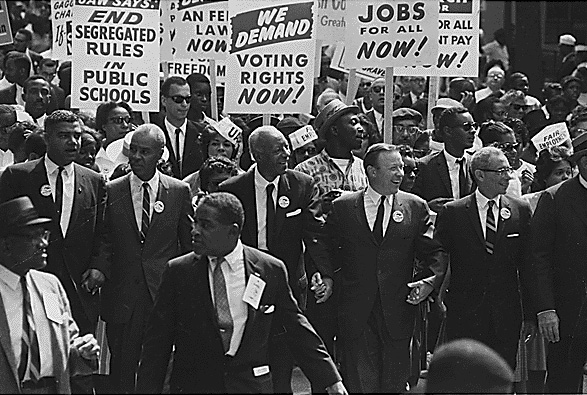
From The Civil War to the 1950s, most black people in America did not have equal rights.

White people used the law, education, and fear against black people and other racial groups. This was a terrible time of racial discrimination.

This video shows examples of Civil Rights Movement protests to end racial discrimination.

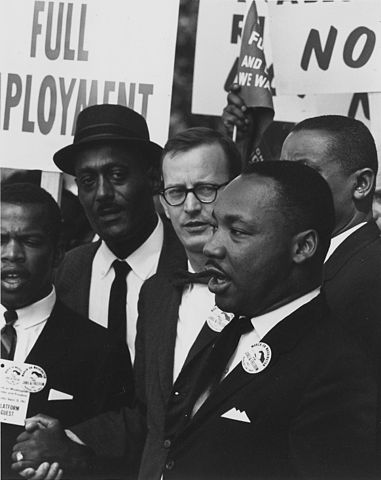
The Civil Rights Movement was a large group of protestors who tried to end racial discrimination. They protested, spoke, and got arrested.

What movement tried to end racial discrimination? –> The Civil Rights Movement
Martin Luther King, Jr.

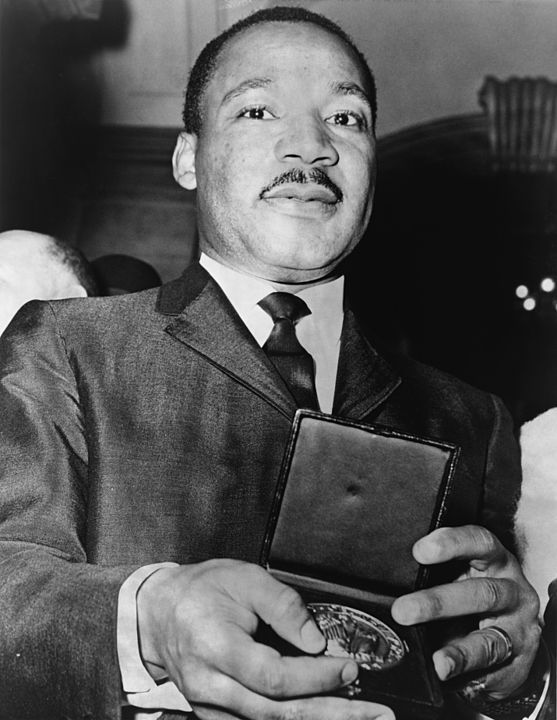
One of the Civil Rights Movement leaders was Martin Luther King Jr. He fought for civil rights.

He fought for civil rights by speaking. He fought for civil rights by writing. He fought for civil rights by protesting. He fought for civil rights by using civil disobedience. He was arrested almost 30 times.

Because of his work, congress and the president passed the Civil Rights Act of 1964 and the Voting Rights Act of 1965 to protect the civil rights of black people and people of all races.

What did Martin Luther King, Jr. do?* –> Fought for civil rights

On April 4, 1968, King was killed by a white man. King was only 39 years old, but Americans will always remember him as a hero. We remember Martin Luther King Jr.’s birthday in January.

The first national celebration of Martin Luther King Jr. Day was in 1986. You can see the love and spirit of Dr. King in this celebration from that year.

The song “Happy Birthday” by Stevie Wonder celebrates the memory of Dr. King

Do you remember where you were on September 11, 2001? That morning, terrorists attacked the United States.

They flew planes into the World Trade Center towers in New York. They flew a plane into the Pentagon, the main building for the military.

They tried to fly one more plane into the White House, but the people on the plane stopped the terrorists.

What major event happened on September 11, 2001, in the United States? –> Terrorists attacked the United States

Review

  1. Name one war fought by the United States in the 1900s.*
  2. Who was President during World War I?
  3. Who was President during the Great Depression and World War II?
  4. Who did the United States fight in World War II?
  5. Before he was President, Eisenhower was a general. What war was he in?
  6. During the Cold War, what was the main concern of the United States?
  7. What movement tried to end racial discrimination?
  8. What did Martin Luther King, Jr. do?*
  9. What major event happened on September 11, 2001, in the United States?

US Civics: Helping the President

Review: Congress + The President

  • What does congress do in this video?
  • What does the president do in this video?
  • Do you think it is fast to make laws, or slow?

Can you answer these questions? What questions (and answers) are connected to this video?

  1. What are the two parts of Congress?
  2. Where is the Statue of Liberty?
  3. Who makes federal laws?
  4. Who is in charge of the executive branch?
  5. In what month do we vote for President?*
  6. Who is the Commander in Chief of the military?
  7. Who signs bills to become laws?
  8. What is the name of the Speaker of the House of Representatives now?
  9. Who vetoes bills?
  10. We elect a President for how many years?

Reading + Civics

The job of president is really difficult. However, the president has a lot of help and support. One person who works with the president is the Vice President.

The Vice President is also from the same political party as the President. Sometimes the President can no longer serve. That means the president may retire, get sick, or even die.

If the President can no longer serve, who becomes President? –> The Vice President

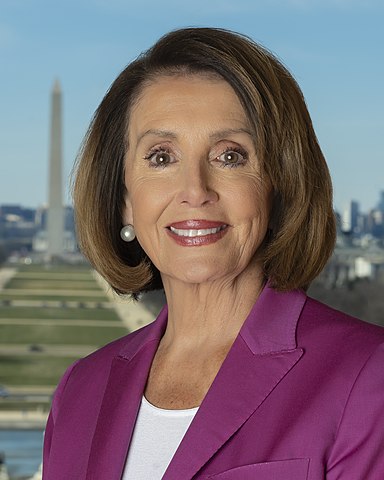
Official portrait of Speaker of the House Nancy Pelosi, photographed January 11, 2019 in the Office of the Speaker in the United States Capitol.

The constitution has a plan for a lot of different situations. It is really important to have a president, because they are the commander in chief.

So, if the both the President and the Vice President can no longer serve, the Speaker of the House will become the new president.

If both the President and the Vice President can no longer serve, who becomes President? –> The Speaker of the House

The President is in charge of the Executive branch, so they have many people who work with them. The most important helpers are the Cabinet.

The Cabinet is a group of 16 people who help the President. The President chooses the Cabinet members. The Senate can say “yes” or “no” to the President’s choices.

What does the President’s Cabinet do? –> Helps the president

Each person in the Cabinet is in charge of one department or part of the executive branch. The Vice President is also a member of the Cabinet.

Other Cabinet-level positions include:

Secretary of Agriculture ▪ Secretary of Commerce ▪ Secretary of Defense ▪ Secretary of Education ▪ Secretary of Energy ▪ Secretary of Health and Human Services ▪ Secretary of Homeland Security ▪ Secretary of Housing and Urban Development ▪ Secretary of the Interior ▪ Secretary of Labor ▪ Secretary of State ▪ Secretary of Transportation ▪ Secretary of the Treasury ▪ Secretary of Veterans Affairs ▪ Attorney General

What are two Cabinet-level positions? –> Secretary of State and Vice President

  1. If the President can no longer serve, who becomes President?
  2. If both the President and the Vice President can no longer serve, who becomes President?
  3. What does the President’s Cabinet do?
  4. What are two Cabinet-level positions?

The Constitution and Government

Review: History

  1. Who lived in America before the Europeans arrived?
  2. What did the Declaration of Independence do?
  3. What happened at the Constitutional Convention?

  4. What did Susan B. Anthony do?
  5. What are two rights in the Declaration of Independence?
  6. What is one thing Benjamin Franklin is famous for?
  7. What territory did the United States buy from France in 1803?
  8. Name one problem that led to the Civil War.
  9. Who did the United States fight in World War II?
  10. Name one war fought by the United States in the 1900s.*

Reading and Civics

The White House
The Capitol Building
The Supreme Court

The United States government has many parts. Congress makes federal laws. The court interprets the laws. The president signs bills to become laws. The president is also in charge of the Executive branch.

Each part of the government is called a branch. The constitution made 3 branches of government to work together.

Name one branch or part of the government.* –> Congress / the President / the courts

Fingers, Fist, Hands, Paper, Rock, Scissor, Scissors

The founding fathers did not want America to have a king. They worried about one part of the government from getting too much power.

So, congress has some powers over the president. The president has some power over congress. The court has some power over the president and congress. Congress and the president also have some power over the court.

This separation of power is supposed to keep things balanced. We sometimes call these rules checks and balances.

What stops one branch of government from becoming too powerful? –> Checks and Balances

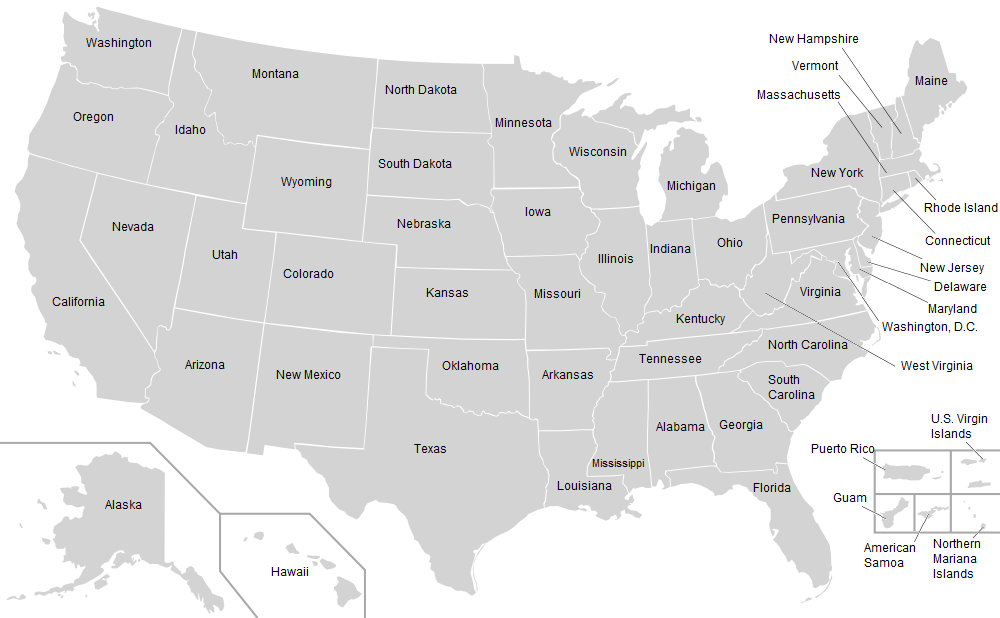
map of us and territories

Another balance of power is between the federal government and state governments.

When we say federal government, it means the national government of all 50 states and territories.

Only the federal government can do some special things, like:

  • Print money
  • Declare war
  • Make treaties

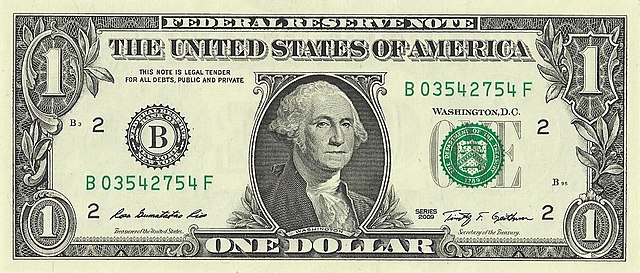
Under our Constitution, some powers belong to the federal government. What is one power of the federal government? –> print money

The Oregon State Capitol Building

On the other hand, only state governments have these powers:

  • Give a driver license
  • Provide education
  • Provide police and safety

Under our Constitution, some powers belong to the states. What is one power of the states? –> give a driver license

  1. What is the “rule of law”?
  2. How many amendments does the Constitution have?
  3. What is an amendment?
  4. What do we call the first ten amendments to the Constitution?
  5. What is one right or freedom from the First Amendment?*
  6. What is freedom of religion?
  7. What are two rights of everyone living in the United States?
  8. Name one branch or part of the government.*
  9. Under our Constitution, some powers belong to the federal government. What is one power of the federal government?
  10. Under our Constitution, some powers belong to the states. What is one power of the states?
  11. What stops one branch of government from becoming too powerful?

Constitutional Rights

Review: US History

  1. Name one American Indian tribe in the United States.
  2. There were 13 original states. Name three.
  3. Who was the first President?*
  4. Name the U.S. war between the North and the South.
  5. What did Martin Luther King, Jr. do?*
  6. What did the Emancipation Proclamation do?
  7. Who was President during the Great Depression and World War II?
  8. The Federalist Papers supported the passage of the U.S. Constitution. Name one of the writers.
  9. During the Cold War, what was the main concern of the United States?
  10. When was the Declaration of Independence adopted?

What’s in the Constitution?

Civics and Reading

The constitution defines the government for all Americans. The constitution is the supreme law of the land.

We don’t have any kings, queens, or nobility. Everyone must follow the law.

The speed limit is one law…

What about teachers? They must follow the law.

What about governors? They must follow the law.

What about presidents? They must follow the law.

What is the “rule of law”? –> Everyone must follow the law.

The constitution was written in 1787. It had many problems.

For example, in 1787, women could not vote. In 1787, white men could own slaves. In 1787, Native Americans had no rights in the U.S.

After 1787, Americans made many changes to the constitution. A change to the constitution is also called an amendment.

For example, Americans made 4 amendments to change voting rights for all citizens of any race, men and women, 18 and older.

What is an amendment? –> A change (to the constitution)

Congress and the states can change the constitution, but it is not easy. Also, it takes a long time to pass an amendment.

Congress and the states have only changed the Constitution 27 times.

How many amendments does the Constitution have? –> 27

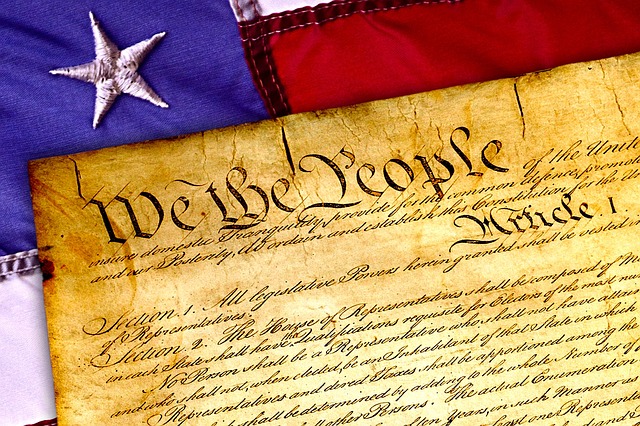
Image by Steve Buissinne from Pixabay

In 1789, Congress made 10 amendments to the Constitution. This list of amendments was called a bill.

These first 10 amendments give us really important rights. So, we call the first ten amendments to the Constitution the Bill of Rights.

What do we call the first ten amendments to the Constitution? –> The Bill of Rights

The first amendment gives all Americans the right to free speech. It also gives us the right to come together, to protest, to report news freely, and to practice religion.

What is one right or freedom from the First Amendment?* –> Speech

Stained Glass, Spiral, Circle, Pattern, Glass, Religion

Many colonists came from Europe to America for religious freedom.

They wanted to practice their religion in a free way.

Now, we also have the freedom to not practice a religion.

What is freedom of religion? –> You can practice any religion, or not practice a religion.

These rights in the constitution are for all people in the United States. That means these are rights for citizens, permanent residents, undocumented people, and visitors.

What are two rights of everyone living in the United States? –> freedom of speech, freedom of religion

Review

  1. What is the “rule of law”?
  2. How many amendments does the Constitution have?
  3. What is an amendment?
  4. What do we call the first ten amendments to the Constitution?
  5. What is one right or freedom from the First Amendment?*
  6. What is freedom of religion?
  7. What are two rights of everyone living in the United States?

History: A new constitution

Reading and Civics

The constitution is the most important law of the United States.

That is what we mean when we say the constitution is the supreme law of the US.

What is the supreme law of the land? –> The Constitution

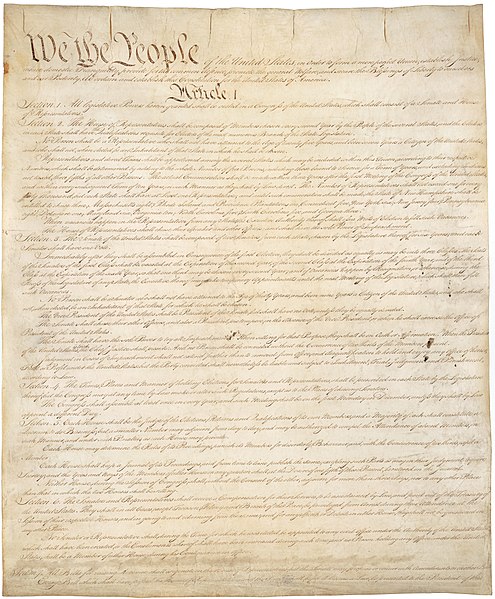
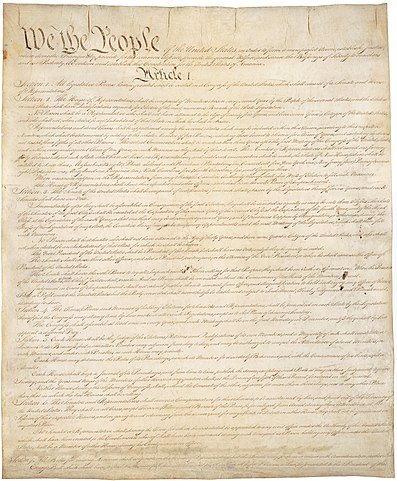
The Constitution has the idea of self-government in the first three words.

Self-government means a government by the people, of the people, and for the people.

It means we have a democracy, and we elect representatives.

The idea of self-government is in the first three words of the Constitution. What are these words? –> We the people

Before the Constitution, the US didn’t have a clear system. States did not agree about important things like money, the military, or elections.

The Constitution was a plan to set up the government. It explains the system of government.

What does the Constitution do? –> It sets up the government.

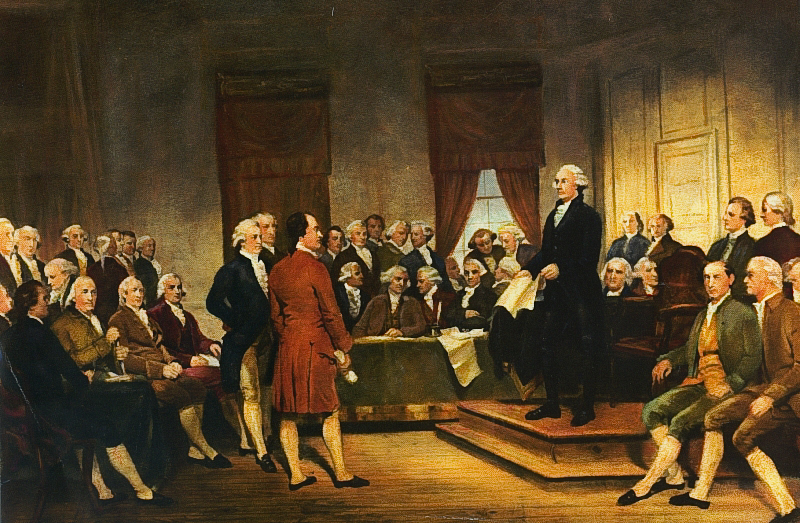
Can you find the famous founding fathers in this painting? Look for: Washington and Franklin.

The founding fathers were leaders who started the United States. They met in 1787 to write a new constitution for the US.

When was the Constitution written? –> 1787

This meeting was called the “Constitutional Convention.” During the Constitutional Convention, the founding fathers wrote the constitution.

We also say that at the Constitutional Convention, the constitution was written.

What happened at the Constitutional Convention? –>The founding fathers wrote the constitution.

After the constitution was written, every state had a vote about it.

Alexander Hamilton wrote the Federalist Papers. They explained why the US needed this constitution.

There is only one question about the Federalist Papers. When you hear “Federalist Papers,” you can think about this song:

The Federalist Papers supported the passage of the U.S. Constitution. Name one of the writers. –> Alexander Hamilton

  1. What is the supreme law of the land?
  2. The idea of self-government is in the first three words of the Constitution. What are these words?
  3. What does the Constitution do?
  4. When was the Constitution written?
  5. What happened at the Constitutional Convention?
  6. The Federalist Papers supported the passage of the U.S. Constitution. Name one of the writers.